The funding will come from Norfund, Norway’s state development finance institution, and will be directed toward supporting Ukrainian companies that require growth capital during wartime, according to a press release from Dragon Capital.
REBUF plans to raise a total of $250 million and invest in companies that have maintained resilience amid ongoing hostilities. Priority sectors include manufacturing, consumer goods, healthcare, and technology.
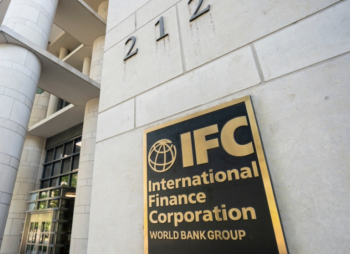
Norfund’s investment will form part of the fund’s first closing and will be complemented by commitments from other European development finance institutions, including the International Finance Corporation (IFC) and the European Bank for Reconstruction and Development (EBRD).
This is Norfund’s second investment under its mandate to support Ukraine. The fund’s mission is to back high-risk projects that significantly contribute to the country’s resilience, recovery, and integration with European markets, Dragon Capital noted.
Dragon Capital also announced that it will invest $20 million of its own capital into REBUF. Key partners of the fund include IFC and EBRD, which in November 2025 each agreed to commit $25 million.
Dragon Capital, led by Tomas Fiala, has been managing private equity funds since 2010. REBUF is the company’s third such fund. Its purpose is to support Ukraine’s economic recovery by investing in small and medium-sized enterprises, as well as mid-cap companies with annual revenues of up to $50 million.
According to a survey by the European Business Association, despite the war, 72% of companies plan to continue investing in the Ukrainian market. For comparison: in 2024, 70% of companies already active in the country intended to invest, and in 2023 — 57%.
Among the factors positively influencing the investment climate, company executives cite EU integration, preferential international trade regimes, the “transport visa-free regime,” deregulation, and the digitalization of public services.
Negative factors include the war, corruption, a weak judiciary, workforce shortages, and attacks on the energy system. Additionally, 78% of respondents believe that restrictions on currency operations worsen Ukraine’s investment attractiveness.