



Essence of the investment proposal
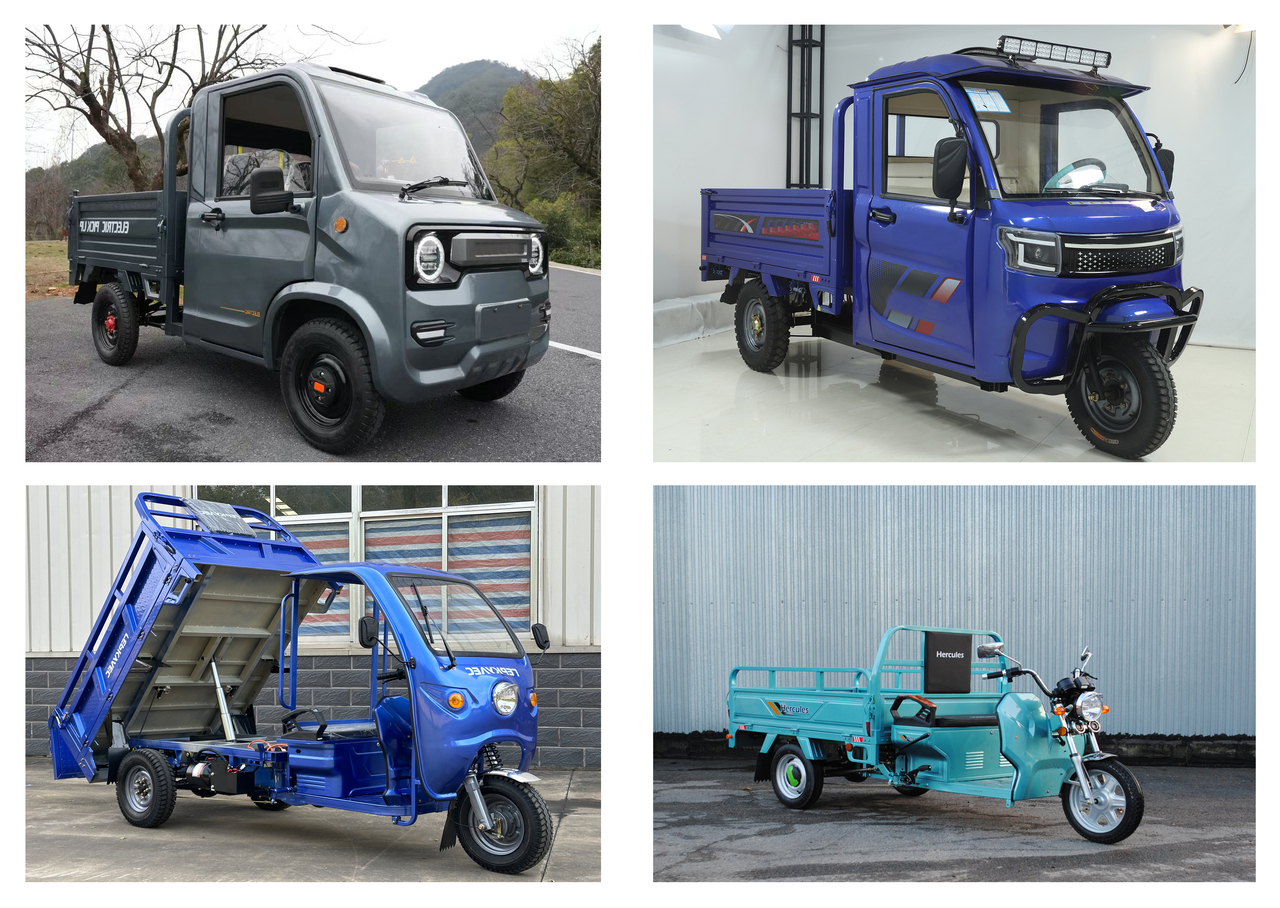
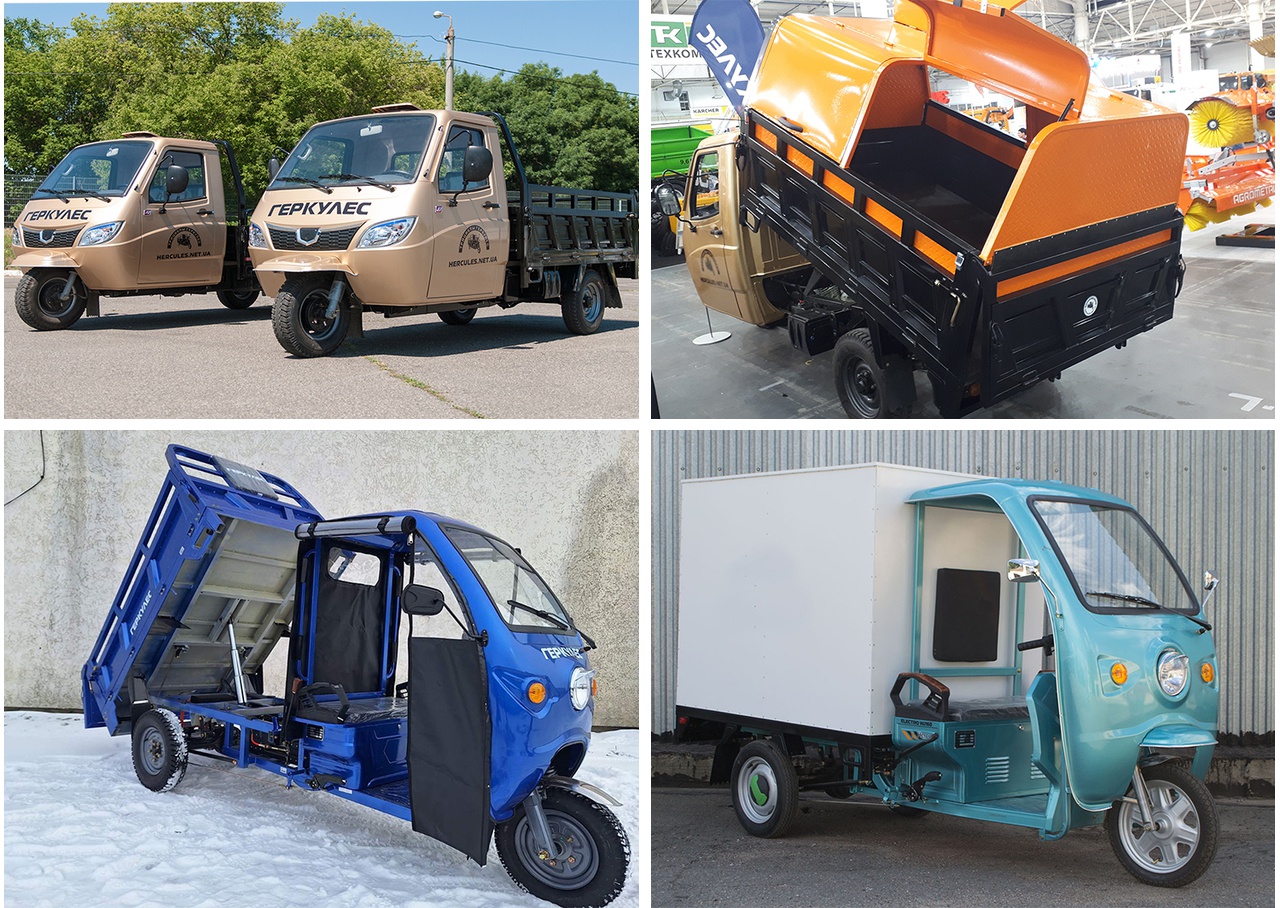
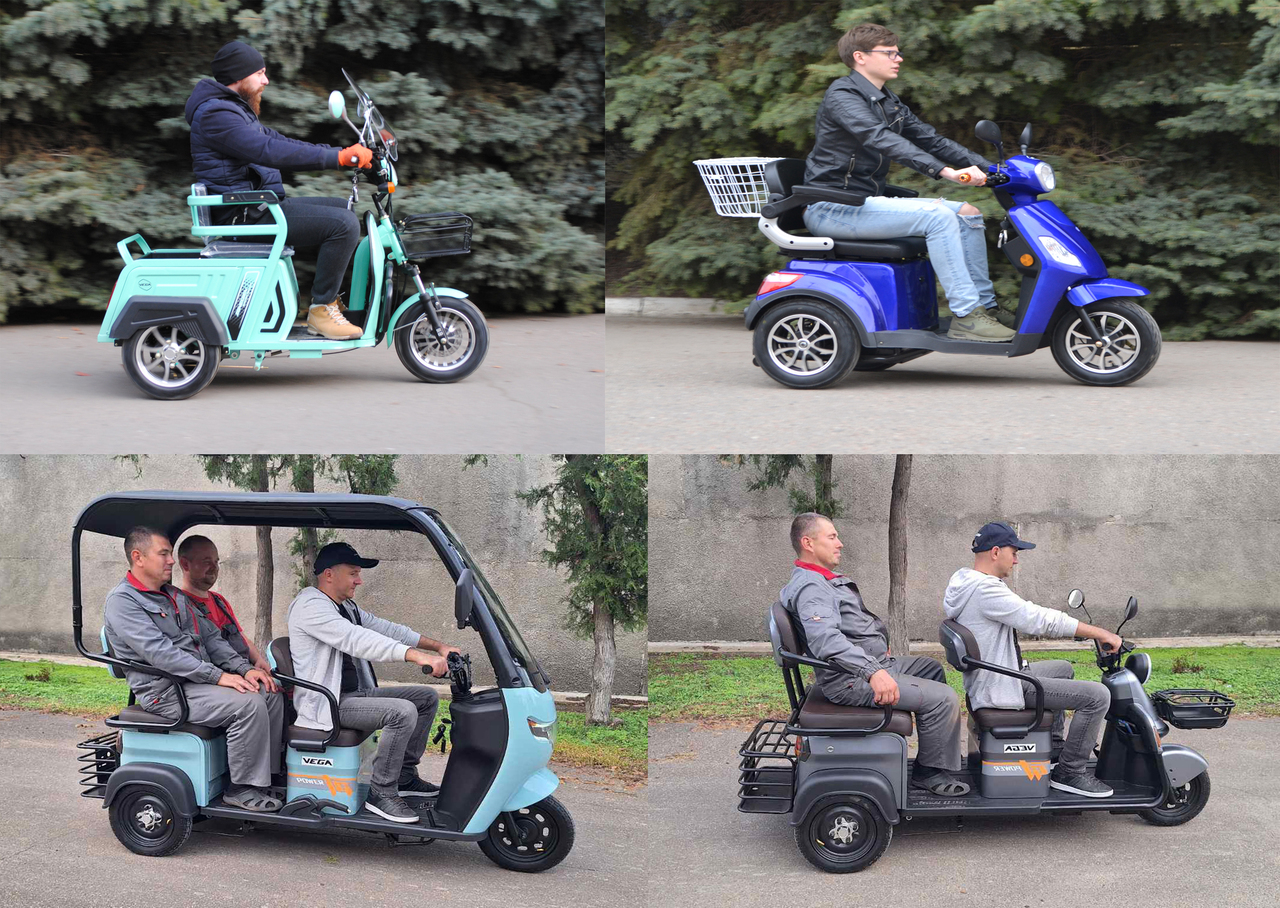
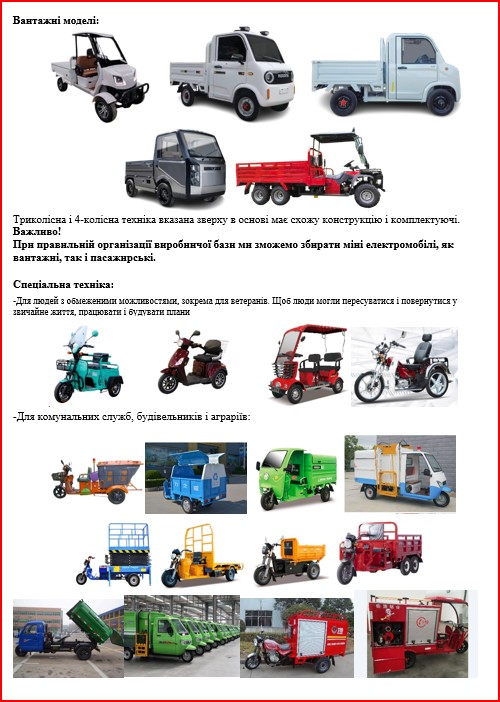
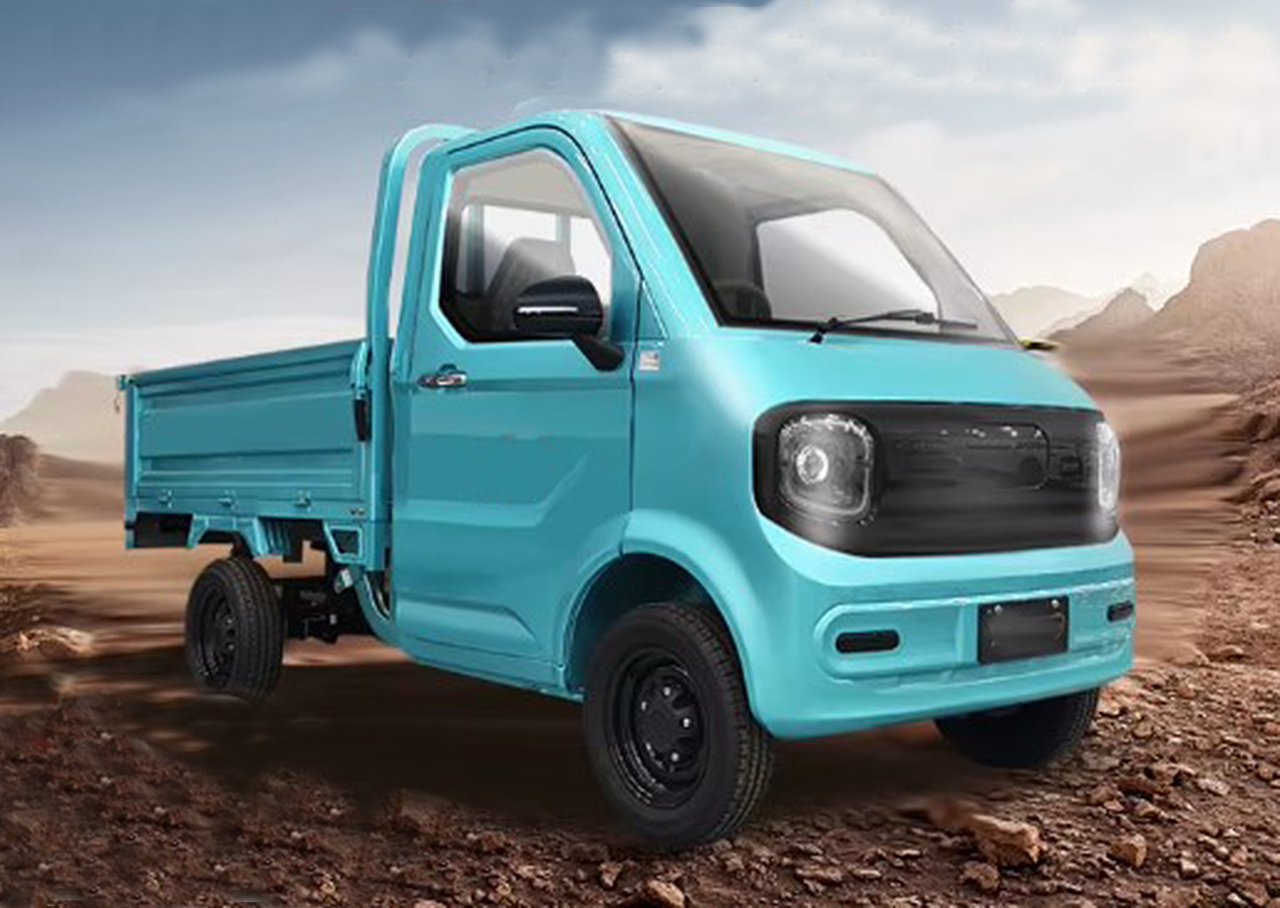
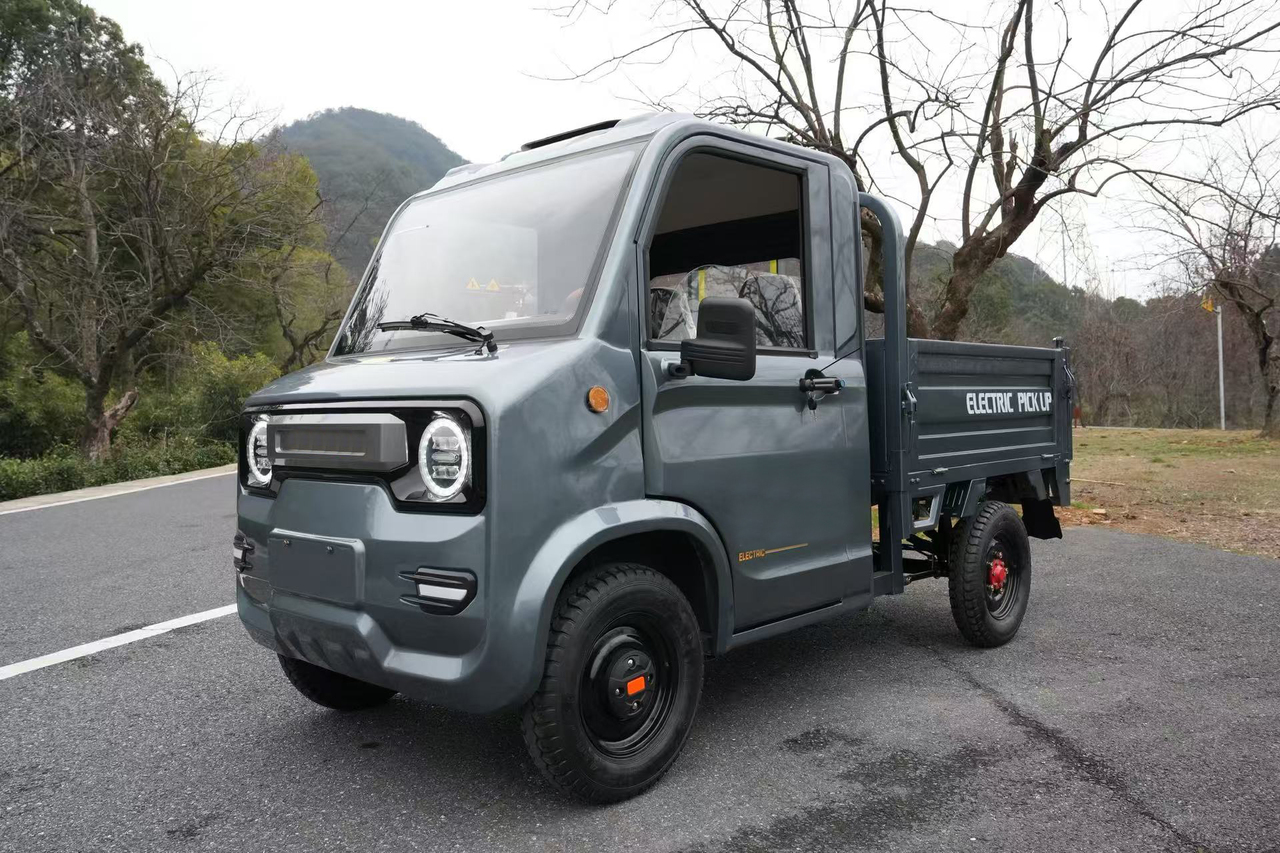
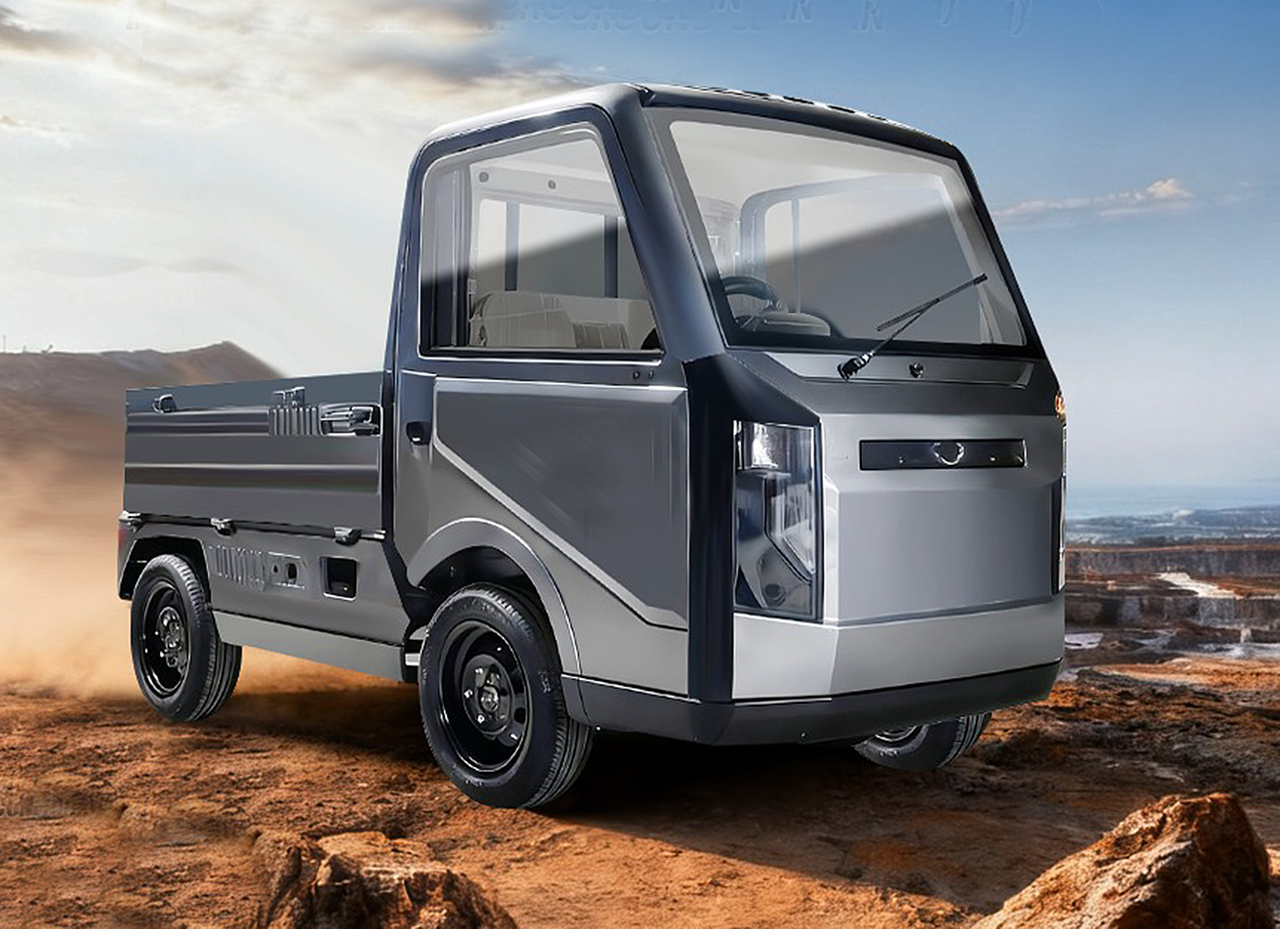
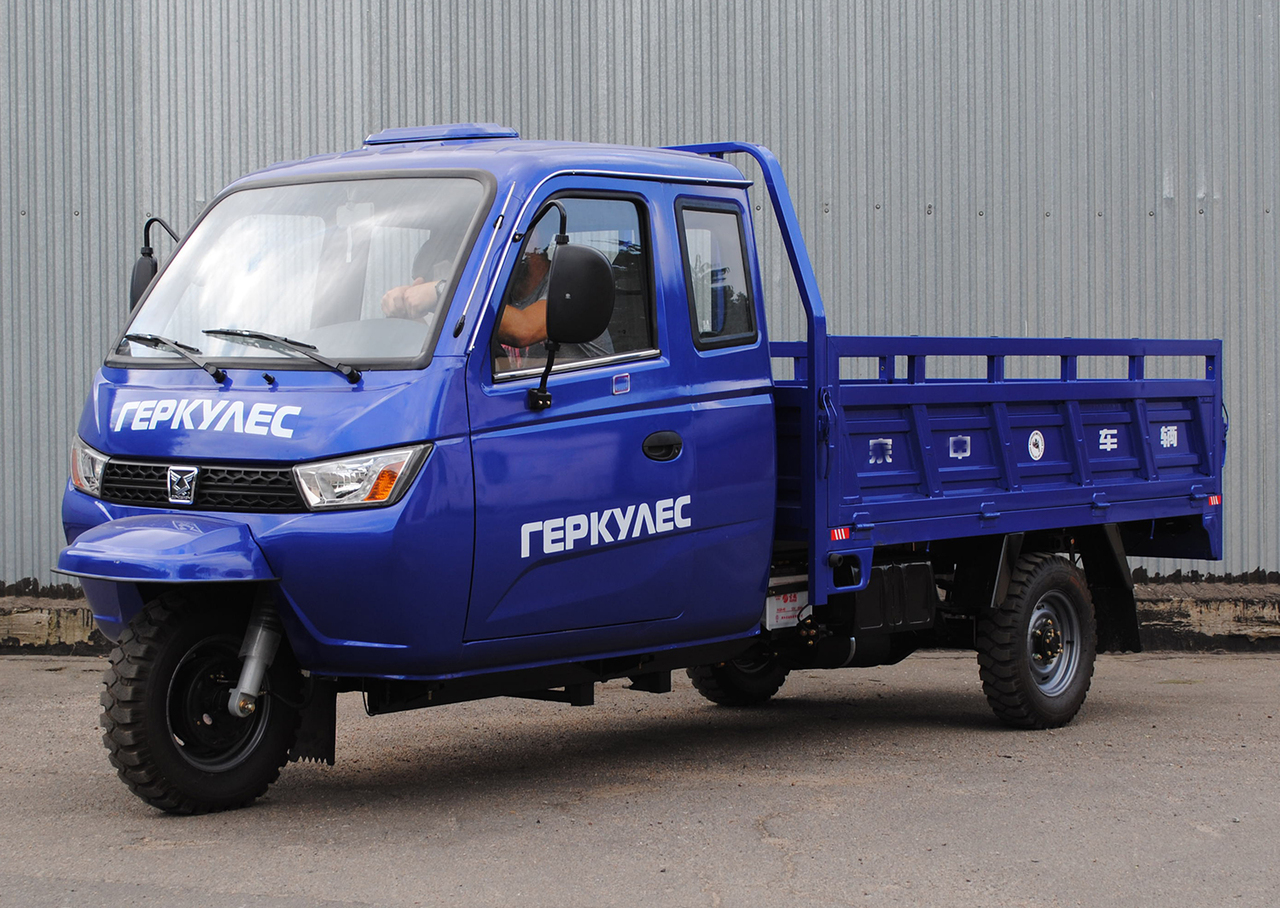
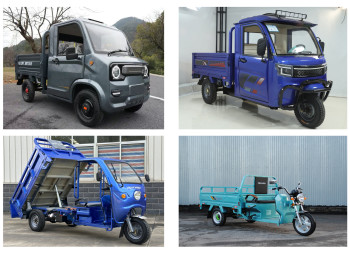
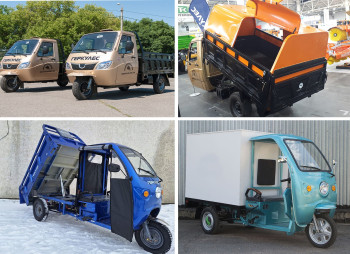
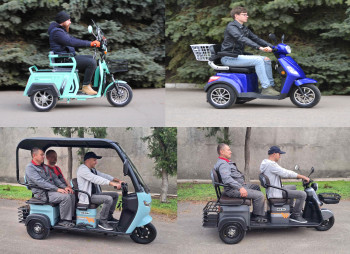
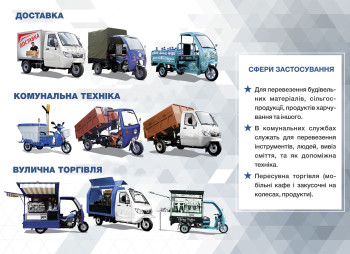
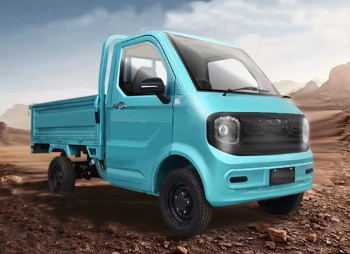
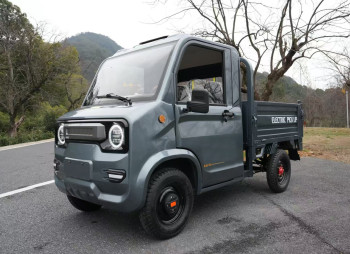
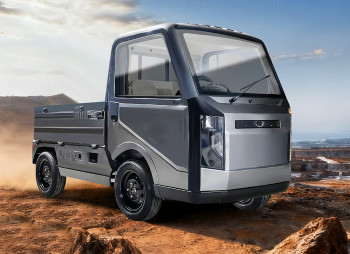
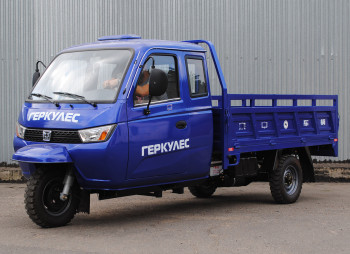
The project envisages the development of a multi-brand business in the small vehicle market in Ukraine, with the prospect of further expansion into Eastern European markets. This concerns the segment of Category L vehicles, which includes mini electric cars and tricycles for cargo and passenger use, as well as other equipment such as motorcycles, scooters, mopeds, quad bikes, and electric scooters.
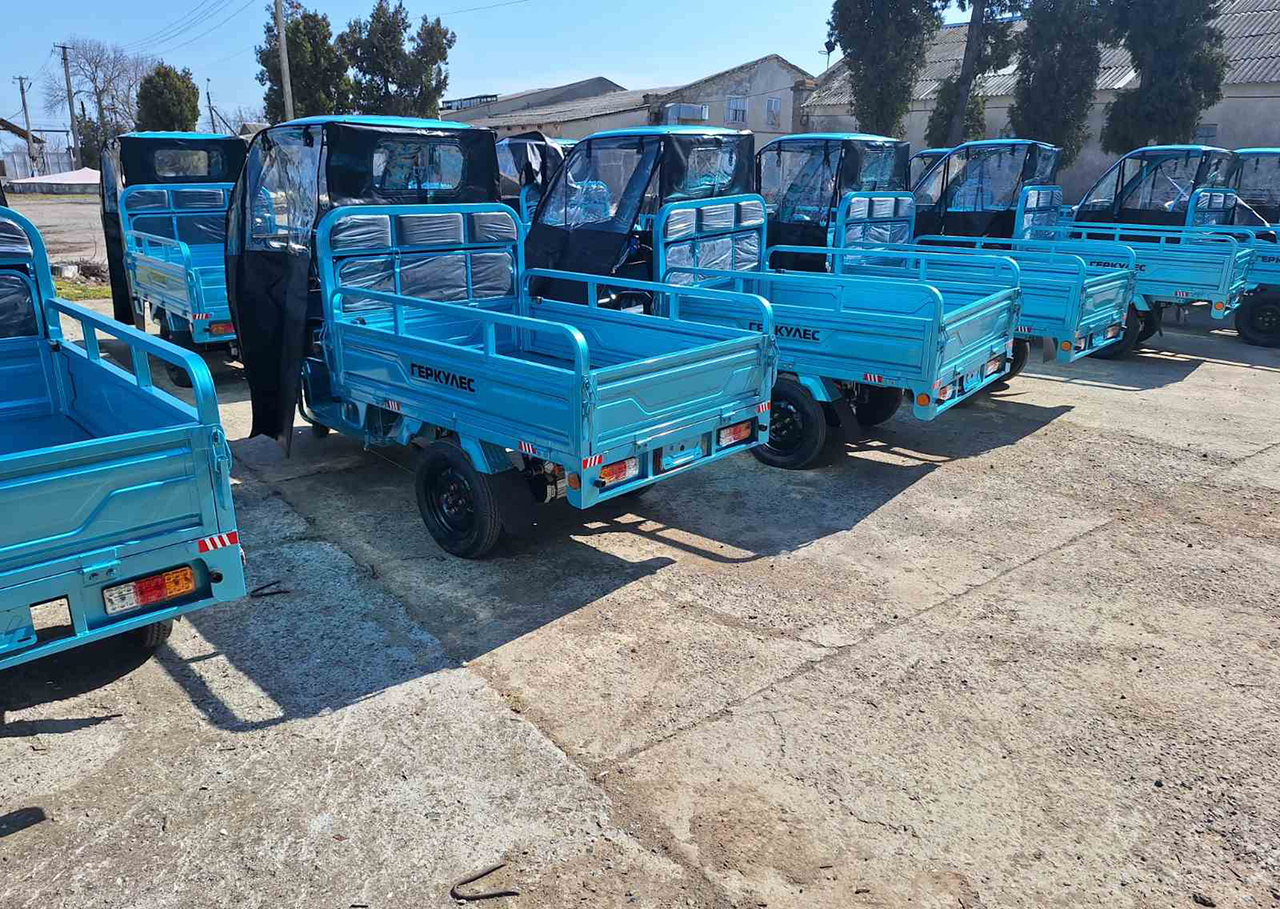
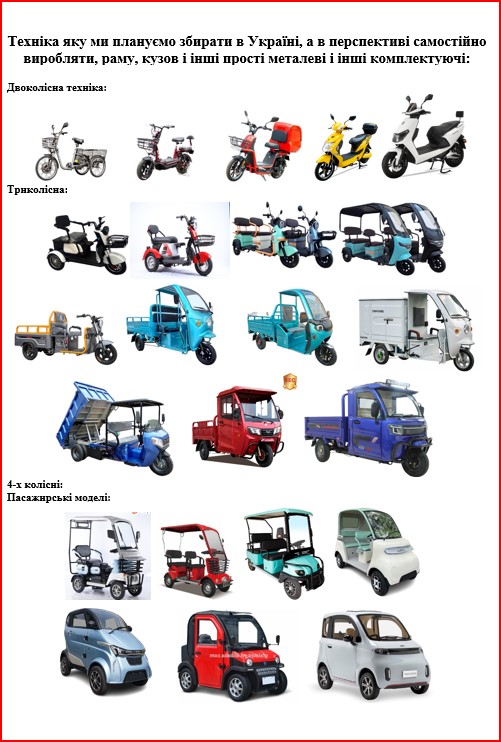
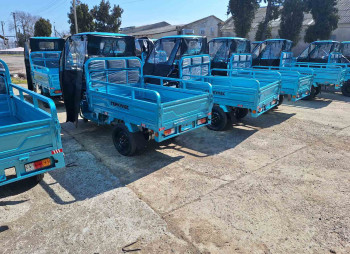
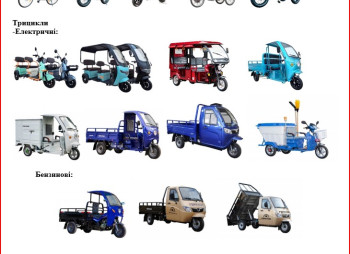
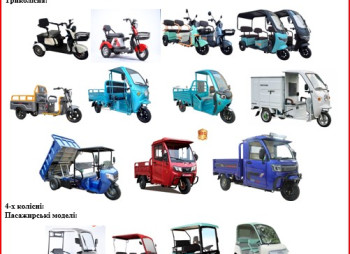
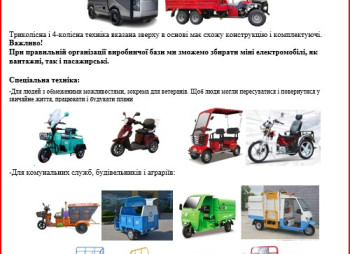
The key focus is on 3- and 4-wheel electric and hybrid vehicles, both cargo and passenger.
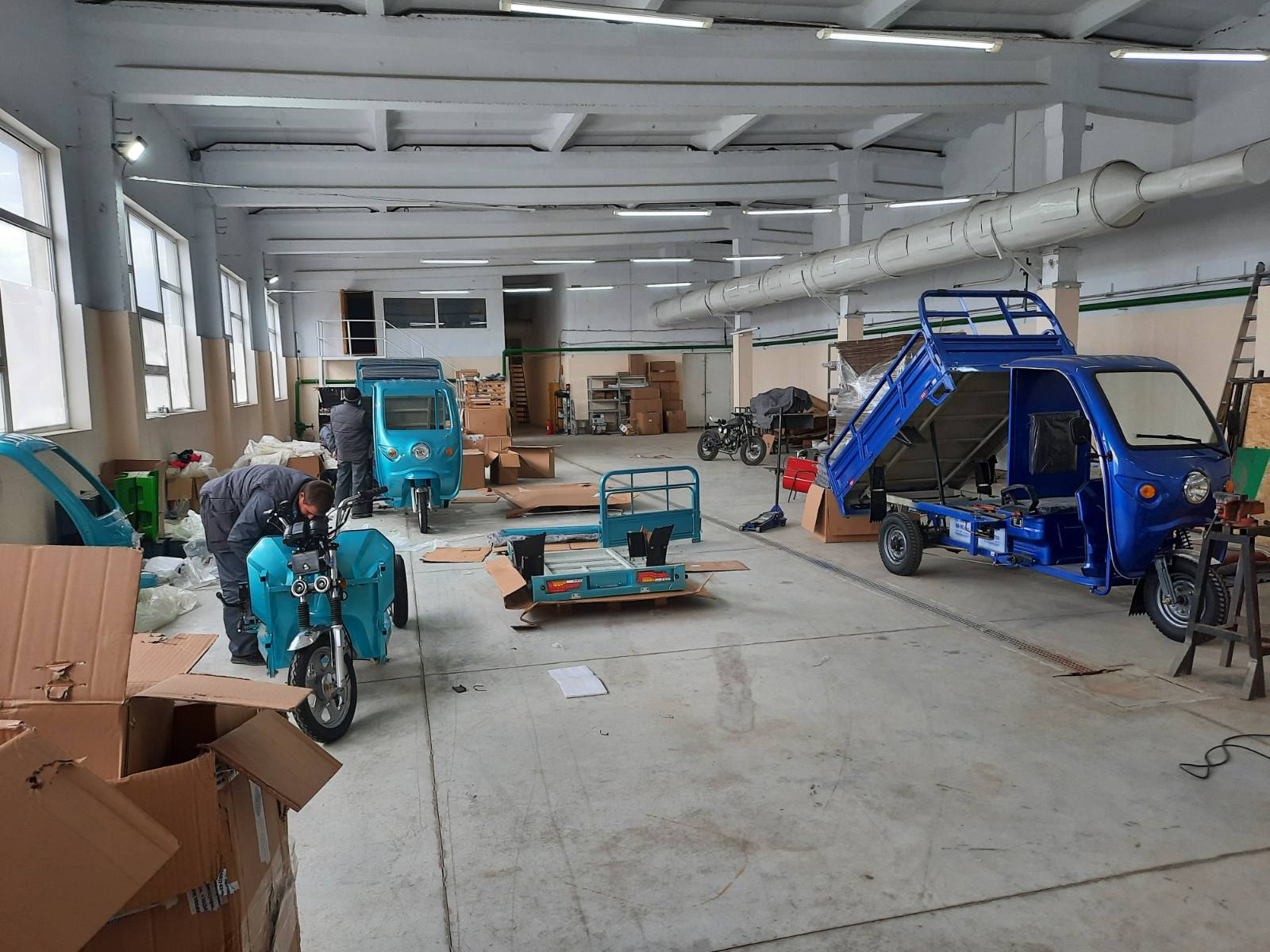
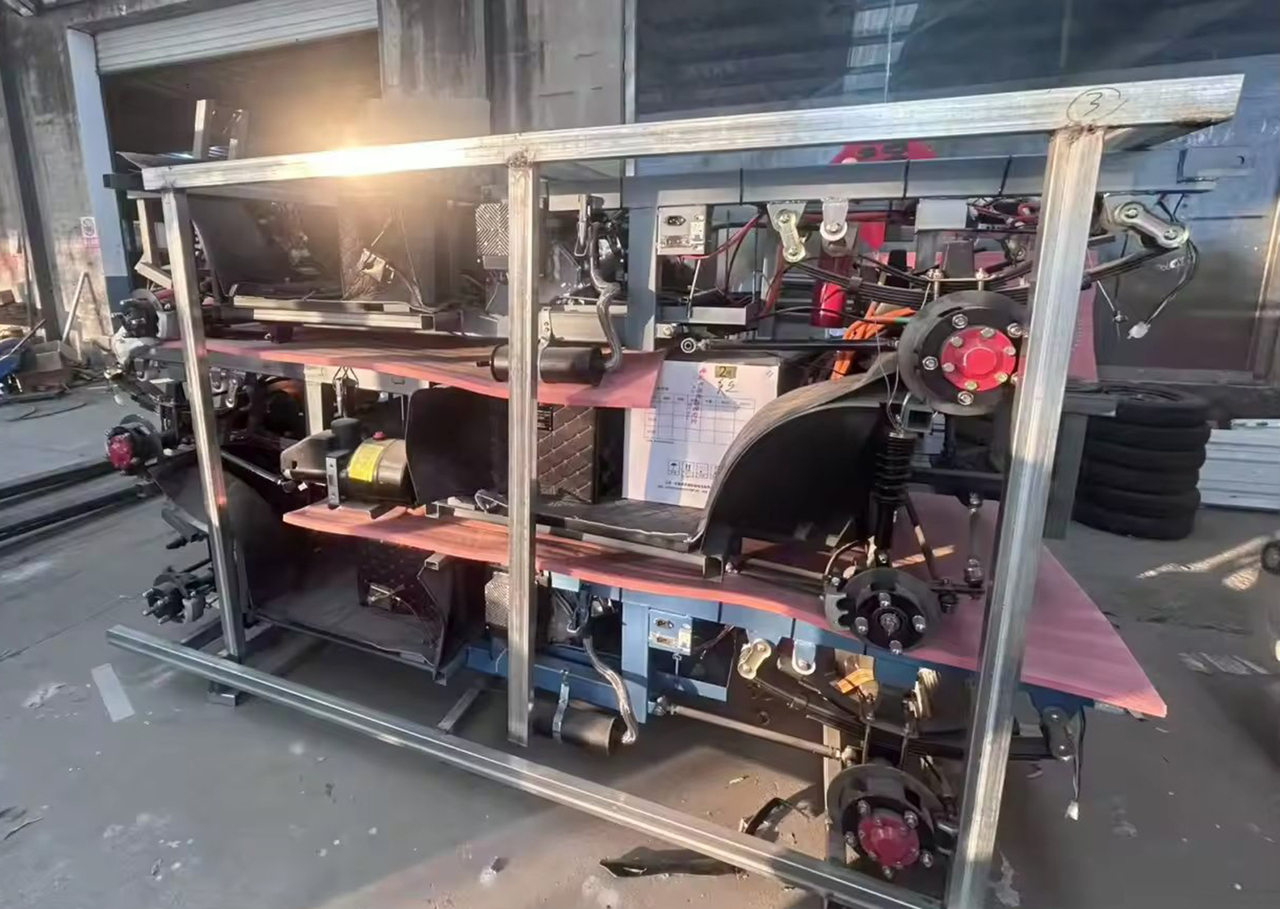
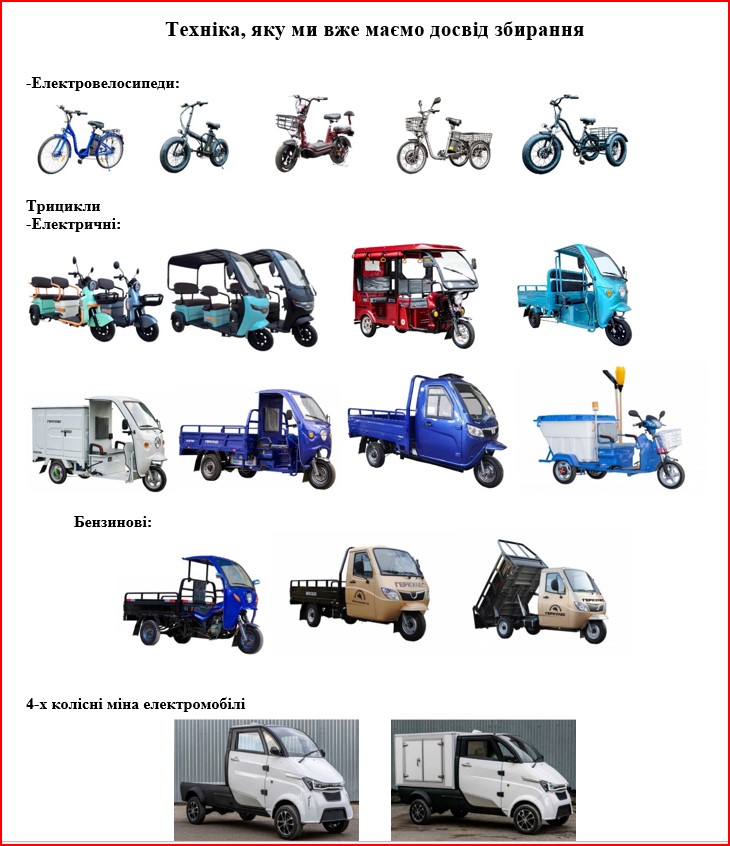
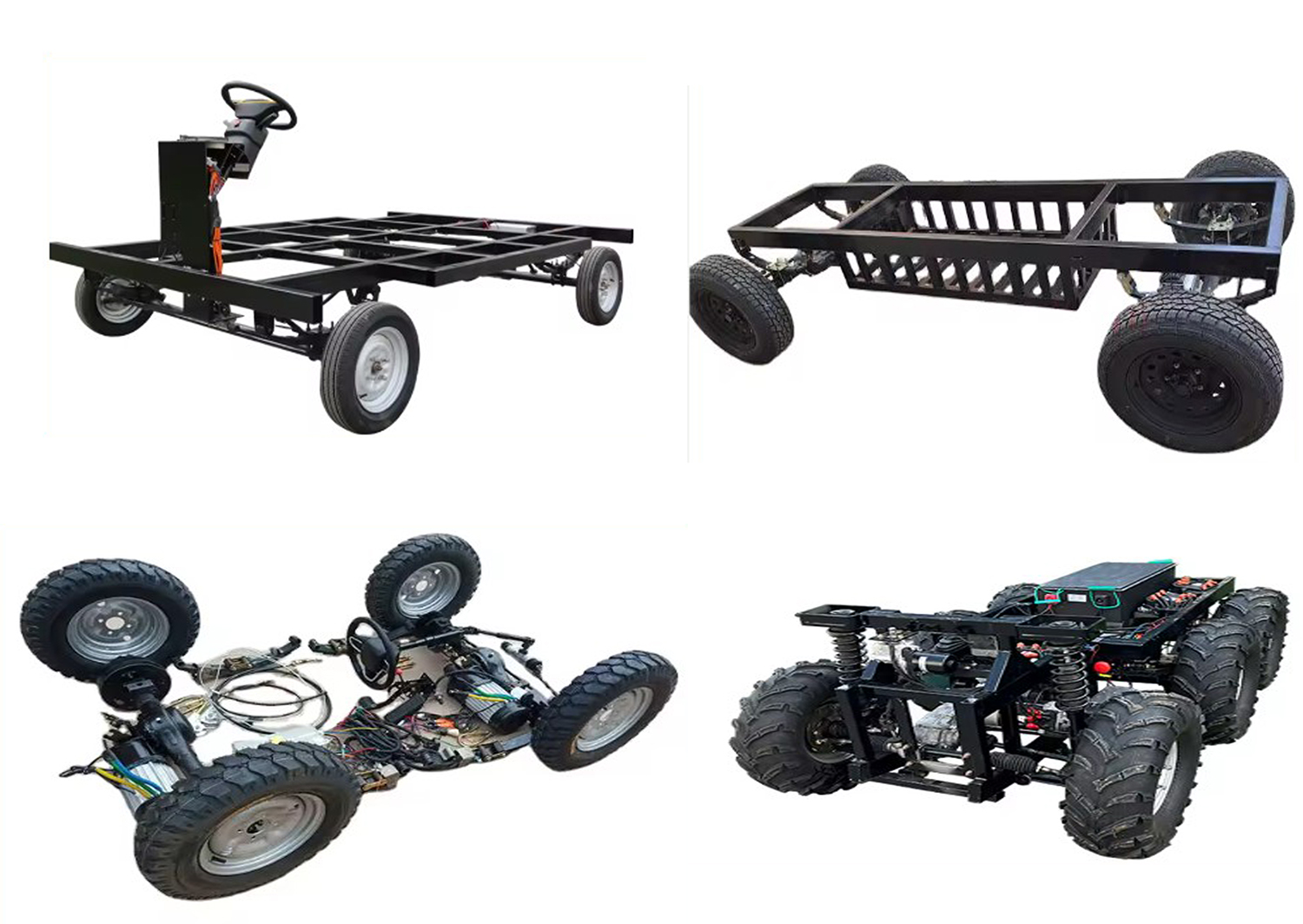
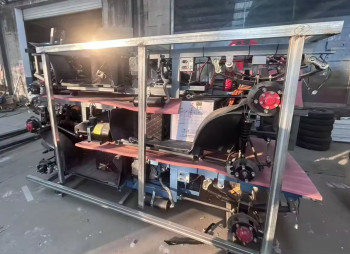
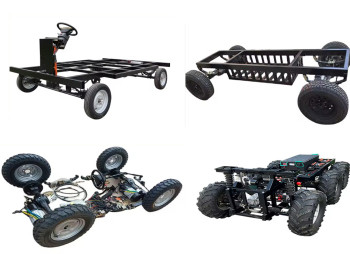
The business model combines the import of vehicles and components from China, distribution in Ukraine, local assembly of most models and their components, service, spare parts sales, and gradual production localization. For the investor, this means not financing an idea from scratch, as the project is not a startup, but scaling an already existing operating platform with market experience, assets, and established sales channels.
The team has been operating in the motor vehicle market since 2003, has its own trademarks, experience in importing and assembly, as well as a history of B2B sales. In 2016, the company was the first in Ukraine to launch CKD assembly of gasoline and electric tricycles, and in 2021 it launched full-scale assembly of electric bicycles. The main growth constraint today is not demand, but a lack of working capital for seasonal imports and scaling assembly operations.
Market and growth drivers
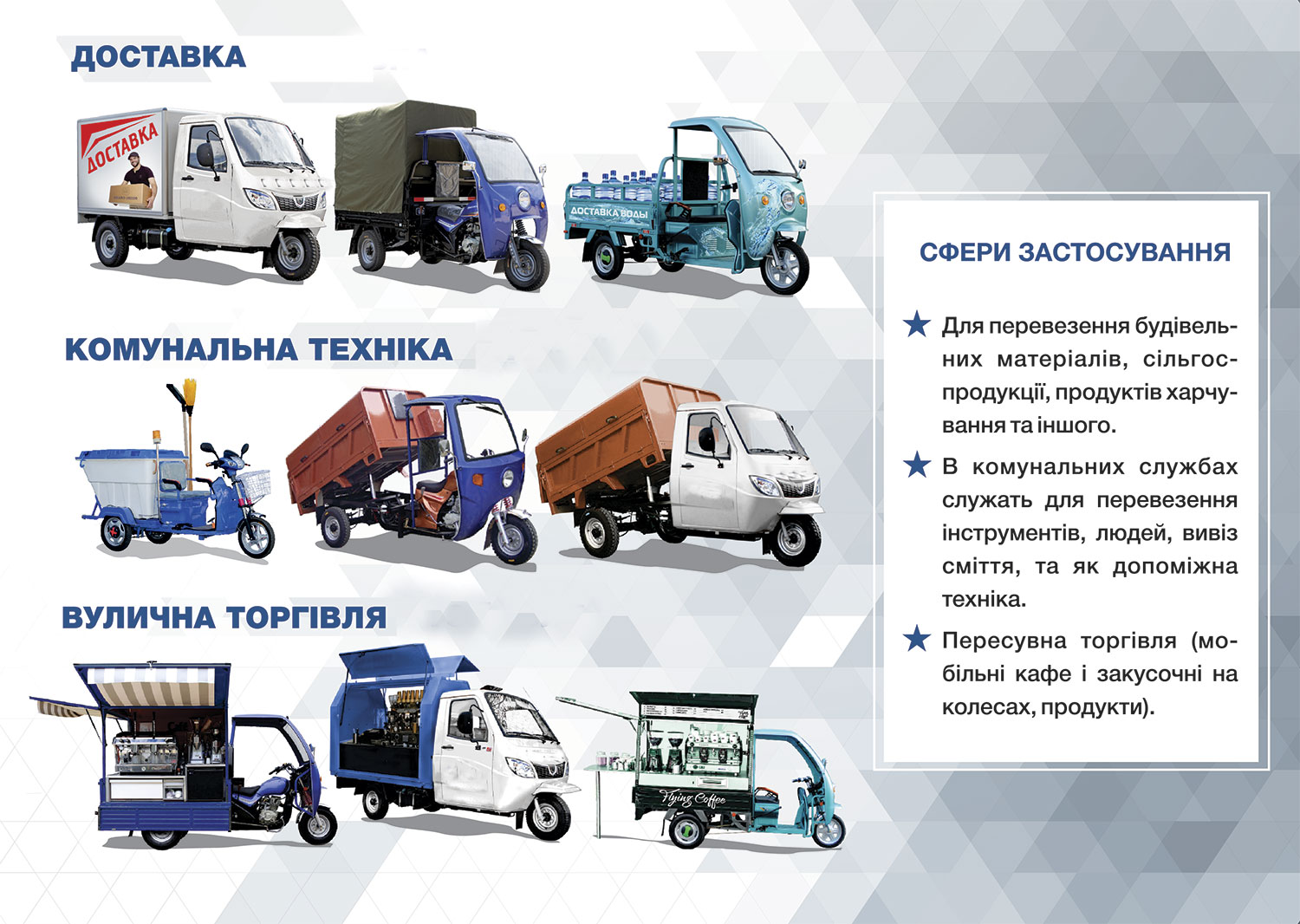
The project operates in the small vehicle market, which in Ukraine is demonstrating structural growth, especially in the electric mobility segment. In 2025, the motorcycle and motor vehicle market amounted to around 100,000 units, while the electric transport market reached around 150,000 units. Electric mobility is gradually gaining a larger market share, while gasoline-powered models are losing ground, and this trend is strengthening year by year. Separately, the tricycle segment is estimated at around 12,000 units per year, of which about 3,000 are cargo tricycles, representing the most attractive B2B direction. Particularly promising is the segment of mini electric vehicles and tricycles for cargo and passenger use, as well as special-purpose equipment for agriculture, municipal services, and delivery businesses.
The main growth drivers are:
- rising demand from small and medium-sized businesses, municipal utilities, the agricultural sector, delivery services, and service companies;
- the shift of part of customers to more economical and functional transport;
- a shortage of quality, legal, certified products in certain segments;
- a low level of organized competition in certain niches, primarily in 3- and 4-wheel cargo mini electric transport, especially in the segment of special-purpose vehicles for farmers, builders, and municipal operators.
Another factor is the possibility of further expansion into Eastern European countries, where in 2024–2025 the segments of tricycles, electric scooters, and mini electric vehicles also grew actively. The team believes that, with a production base, logistics, and local assembly in place, Ukraine can become a regional hub for this niche.
Business model
Revenue sources:
- sale of vehicles;
- sale of spare parts and accessories;
- dealer distribution;
- B2B supplies;
- participation in tenders;
- adaptation of vehicles to specific orders.
The key growth area is B2B. The main B2B audience consists of private entrepreneurs, companies, municipal utilities, and agricultural businesses. It is this segment that is the main driver of demand for cargo tricycles and specialized equipment, even during wartime.
Assets and operational readiness
The key advantage of the project is that it already has the material and organizational base for scaling.
Among the existing assets:
- its own registered trademarks and around ten model brand designations;
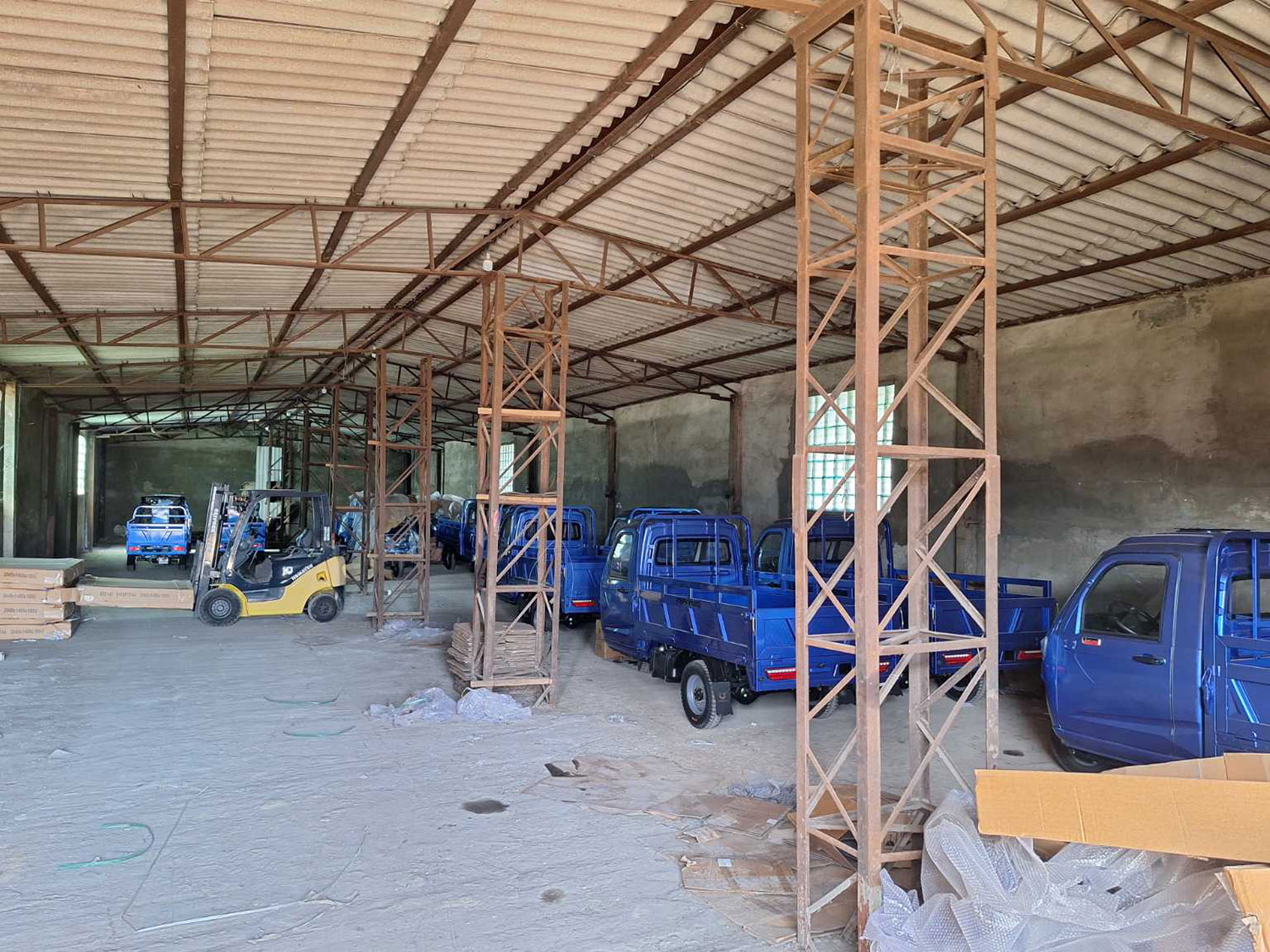
- a production base in Odesa region;
- a corporate structure for imports, ownership of real estate, and launch of the manufacturing direction;
- a team of 12 employees with experience in sales, engineering, assembly, accounting, and service.
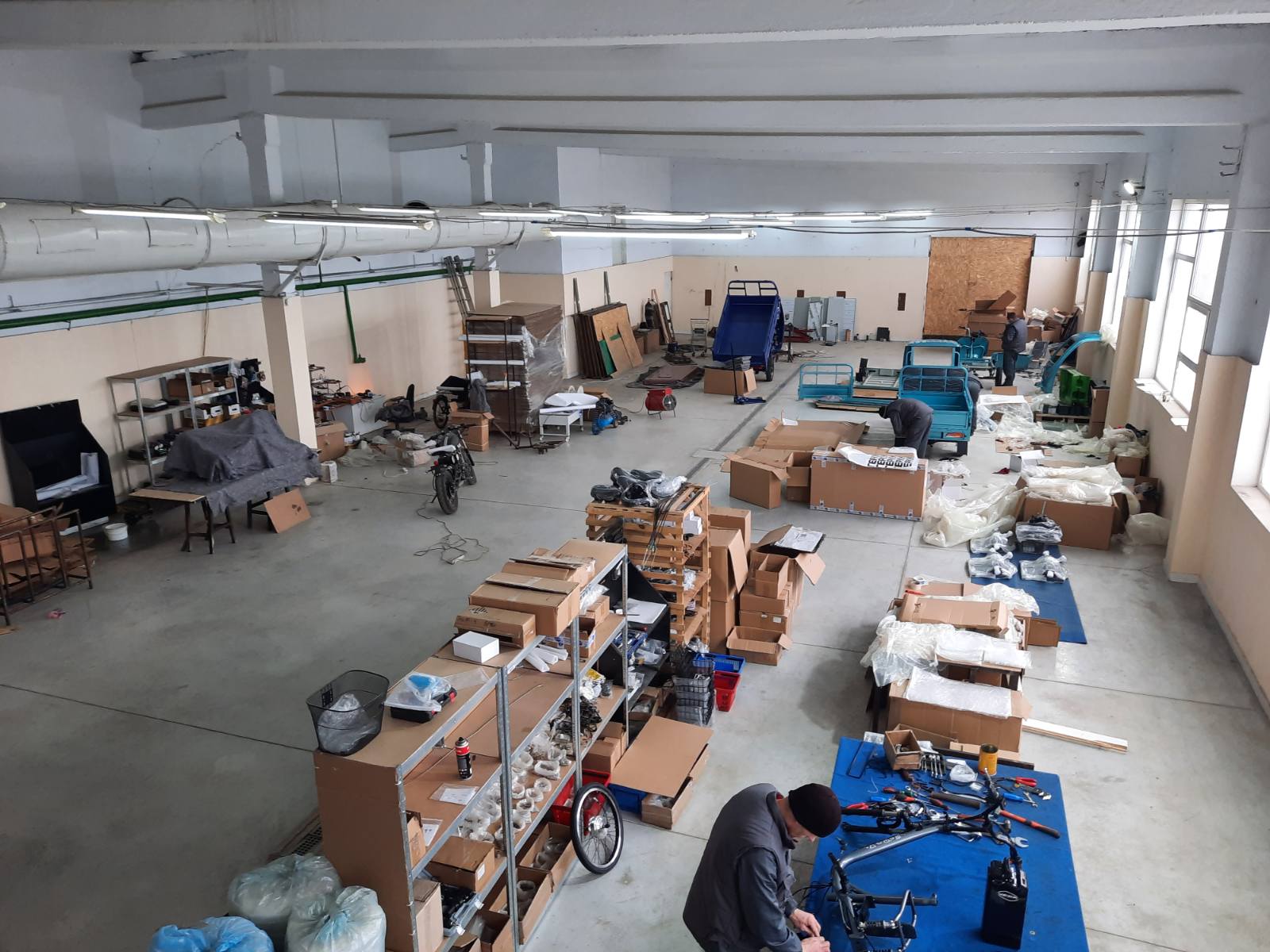
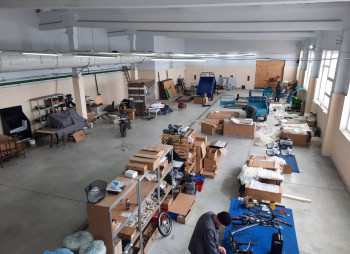
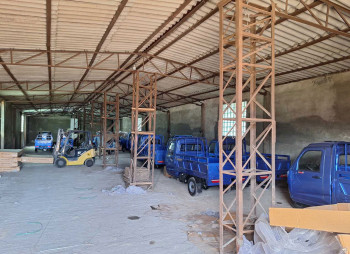
The production base is located approximately 6 km from Odesa and 300 meters from the Odesa–Reni highway. The site area is nearly 5 hectares, while the total real estate area exceeds 9,000 sq. m. The base has infrastructure and utilities and can be used as a platform for assembly, storage, logistics, and future production localization.
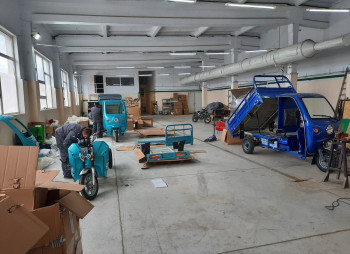
The existing team is already capable of assembling around 60–70 units of equipment per month. This means that once financing is secured, the project can quickly move from a limited operating mode to active scaling. The company has many repeat customers who regularly purchase vehicles for their needs, as it is a reliable supplier of quality equipment. Its clients include large and medium-sized businesses, agricultural companies, municipal private and state enterprises, farmers, small businesses, and communities. Among regular clients are MHP, Nibulon, Ukroboronprom, Metinvest, Industrial Construction Group Kovalska LLC, Kernel, and others. An extended list will be provided additionally.
Current economics and forecast
According to the initiator, the current business economics are attractive:
- gross margin on wholesale vehicle sales — 25–30%;
- gross margin on direct retail sales — 50% or more per unit;
- margin on spare parts — 50–100%;
- profitability per batch of vehicles — 20–30%.
Before the war, capital turnover was around three turns per year. Under wartime conditions, the team estimates a realistic level of 2–2.5 turns, provided proper financing and timely order placement. The current supply cycle after prepayment is around 3.5–4 months. This once again underscores that access to working capital is critical for growth.
Provided that financing begins in 2026, the project plans to increase sales by 2–3 times.
The target for 2027 is up to 2,000 units per year, which may generate annual turnover of $2–2.5 million. The indicative payback period of the project is 3–5 years.
Important!
The market for 3- and 4-wheel vehicles has its own seasonality, but thanks to B2B sales, the sales season is significantly extended, allowing more efficient use of working capital.
Investment requirement and use of funds
Depending on the amount of financing, the company has two clear business scaling scenarios:
Scenario A (Optimal) — $1,000,000, payback 3–4 years
- 70% ($700,000) — Working capital: building inventory in the main types of 3- and 4-wheel vehicles and their modifications, purchasing vehicle kits in the required quantities for active market expansion in Ukraine.
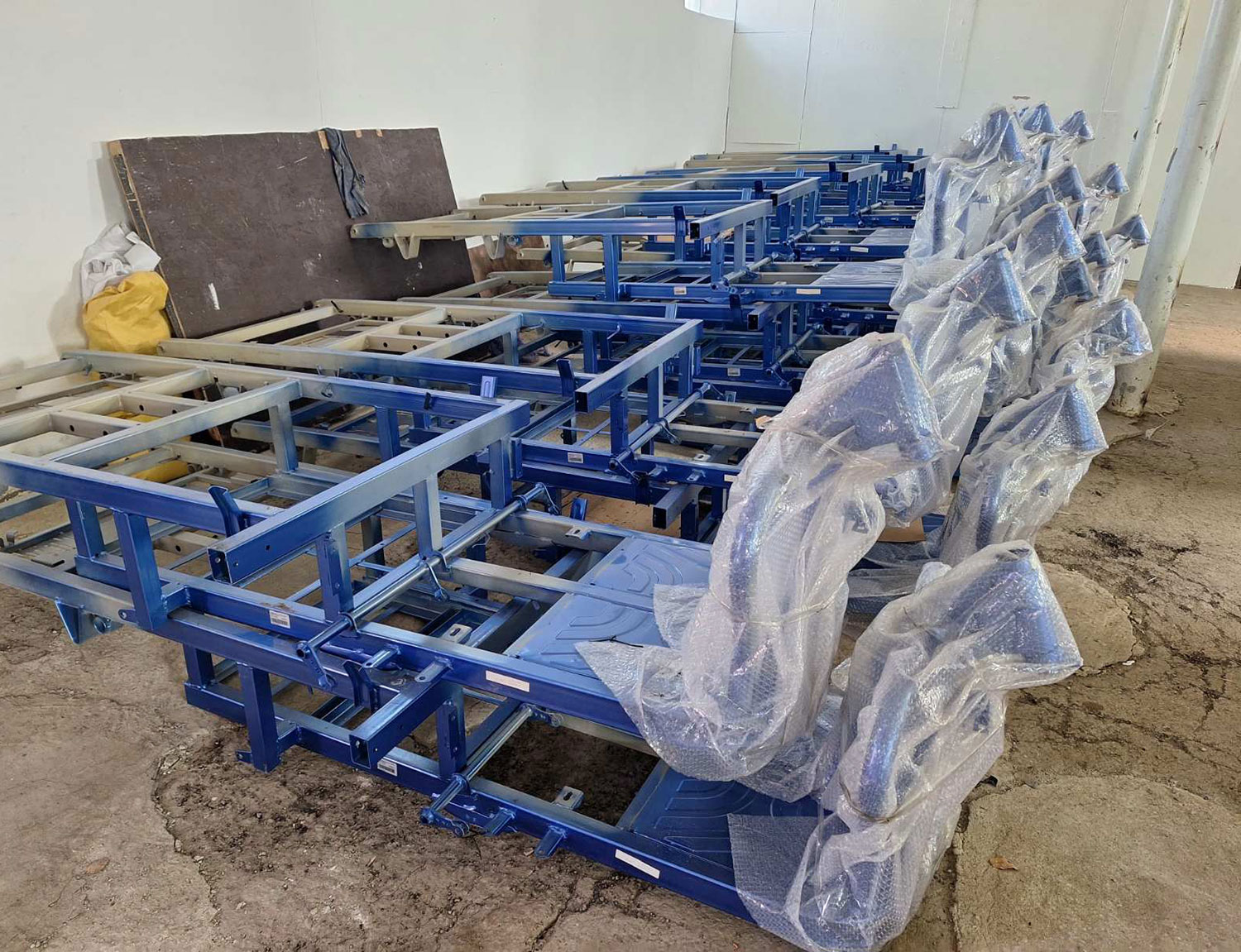
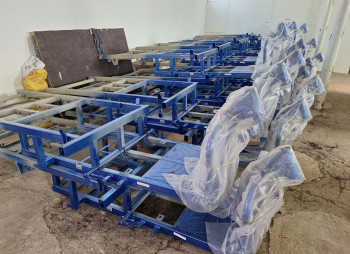
- 20% ($200,000) — Production infrastructure: modernization of assembly workshops in Odesa, preparation and launch of welding/painting of frames and bodies, battery assembly, process automation, and staff training.
- 10% ($100,000) — Marketing and Digital: large-scale market expansion, promotion, participation in major B2B exhibitions, and modernization of web resources.
Scenario B (Starter) — $500,000, payback 4–5 years
- 80% ($400,000) — Working capital: focus on purchasing the most in-demand and high-margin cargo vehicle models to meet immediate market demand.
- 15% ($75,000) — Production: targeted modernization of critical assembly points to increase workshop throughput.
- 5% ($25,000) — Marketing: local promotion and digital advertising (targeting, paid search) to support quick turnover of invested capital, participation in key B2B exhibitions.
In practice, this is a combination of working capital financing and capex for scaling the existing operating model. Importantly, more than $600,000 of the initiator’s own funds have already been invested in the project in the form of inventory and real estate, which significantly reduces the starting risk for a new investor.
Important!
The creation of the company’s own production and technical base, along with partner support, will provide significant advantages in the Ukrainian market both in price and in configuration. This will make it possible to assemble and manufacture various 3- and 4-wheel vehicles for both general use and special-purpose applications, adapting production to market needs, as well as assembling batches of vehicles to order for other market players.
Assembly of lithium and LiFePO4 batteries for vehicles creates additional added value and may also enable the company to assemble batteries for other tasks and customers — effectively a “project within a project.”
Partnership format and investor exit
The initiator is considering various formats of cooperation:
- equity participation of a Ukrainian investor in the company and the business as a whole;
- a tripartite model involving Chinese partners, where the Chinese side could potentially provide technical support, quality control, assortment selection, equipment, and possibly more flexible supply terms;
- another structure agreed during negotiations.
The investment horizon is estimated at 3–5 years. Possible exit scenarios include sale of the stake to a partner, an external investor, or a strategic buyer. If the strategy of import, assembly, localization, and sales scaling is implemented successfully, the initiator expects a significant increase in the value of the business.
