The Cabinet of Ministers of Ukraine has included the Khust industrial park in Zakarpattia region in the state Register of Industrial Parks. The new project envisages more than UAH 1.2 billion in investment in infrastructure development and the creation of 538 jobs, the Ministry of Economy, Environment and Agriculture reported on May 21.
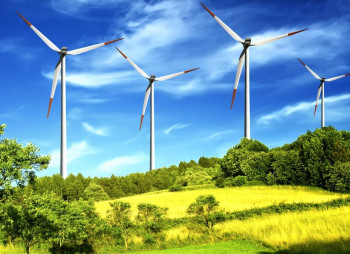
The initiator of the industrial park is Friendly Windtechnology, a company within the Wind Parks of Ukraine group. The company has already implemented a similar project in Perechyn, Zakarpattia region, where an industrial park specializing in the production of wind energy equipment was launched in 2023. The Wind Parks of Ukraine group was founded in 2012 in Kramatorsk and focuses on the development of renewable energy projects.
The Khust industrial park will be located on a site of more than 18 hectares. Its main areas of activity will include the production of electrical equipment, cable products, electrical installation devices, as well as technologies and components for alternative energy. The government expects the project to contribute to the development of industrial production and strengthen Zakarpattia region’s position as one of Ukraine’s industrial development centers.
The creation of new industrial parks remains one of the tools for stimulating investment and localizing production in the country. According to the Ministry of Economy, there are currently 117 industrial parks in the state register. As of the end of last year, 37 industrial enterprises had been built or were under construction within them.
According to data from the Industrial Parks of Ukraine group, as of the end of 2025, 118 industrial parks were registered, of which 27 were added during the year. Most of the new projects are private initiatives, with 19 private sites compared with eight municipal ones. Lviv region remains the leader by number of industrial parks, with 20 registered sites. It is followed by Kyiv region with 15 parks and Zakarpattia with 12.
The development of industrial parks is supported by the state through incentive mechanisms. In March 2026, the Cabinet of Ministers updated the rules for state support of such projects, expanding financing opportunities for frontline territories and introducing a mechanism for restoring engineering and transport infrastructure damaged by shelling.