Ports as Investment Platforms, Not Just Transshipment Points
In the modern global economy, a port is no longer merely infrastructure for loading and unloading vessels. The world’s most successful port regions are developing as integrated industrial and logistics platforms, where a seaport terminal is combined with railway access, road logistics, warehouse facilities, industrial zones, processing plants, energy infrastructure and services for international trade.
It is at this intersection that the greatest added value is created. Investors generate returns not only from cargo handling, but across the entire chain: accumulation, storage, processing, packaging, containerization, forwarding, trading, customs services, leasing of industrial space and the long-term appreciation of strategic land.
For Ukraine, which remains one of Europe’s key export-oriented economies in agricultural products, metallurgy, ore raw materials, food processing and industrial logistics, international experience in developing port-adjacent territories is particularly relevant. The issue is not only the restoration of damaged or underutilized port infrastructure, but the creation of new private port-industrial clusters capable of integrating Ukraine into global production and logistics chains.
Jebel Ali: Port, Free Zone and Private Business in One Ecosystem
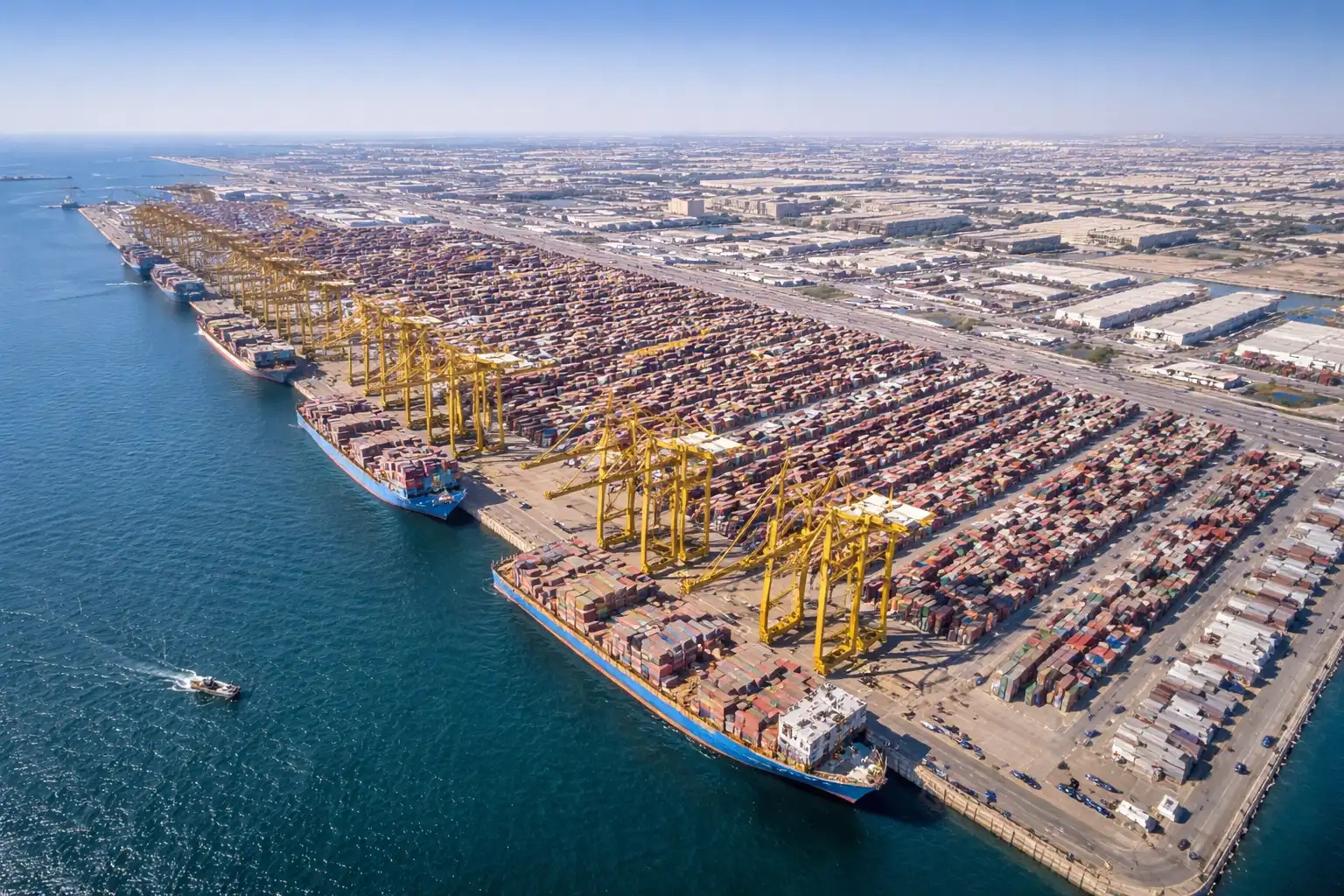
One of the best-known examples is Jebel Ali in Dubai. Its success is based not only on the scale of the seaport, but also on its integration with Jebel Ali Free Zone — a special economic zone that has become a platform for international trade, logistics, warehousing, light industry, distribution and re-export.
The key idea behind Jebel Ali is that port infrastructure alone does not create the maximum economic effect. It must be complemented by a business environment where a company can quickly register, lease warehouse or production premises, access customs and logistics services, work with container and multimodal flows, and use the port as a gateway to regional markets.
For Ukraine, this case shows that deep-water ports should be surrounded not only by individual terminals, but by full-scale port and logistics parks. Such a model may include a dry port, container terminal, bonded warehouses, cold storage, warehouse logistics, light processing, packaging, export packing, service companies and traders’ offices. This creates a more resilient business than a standalone transshipment facility dependent on a single type of cargo.
Rotterdam: Port as an Industrial and Energy Cluster
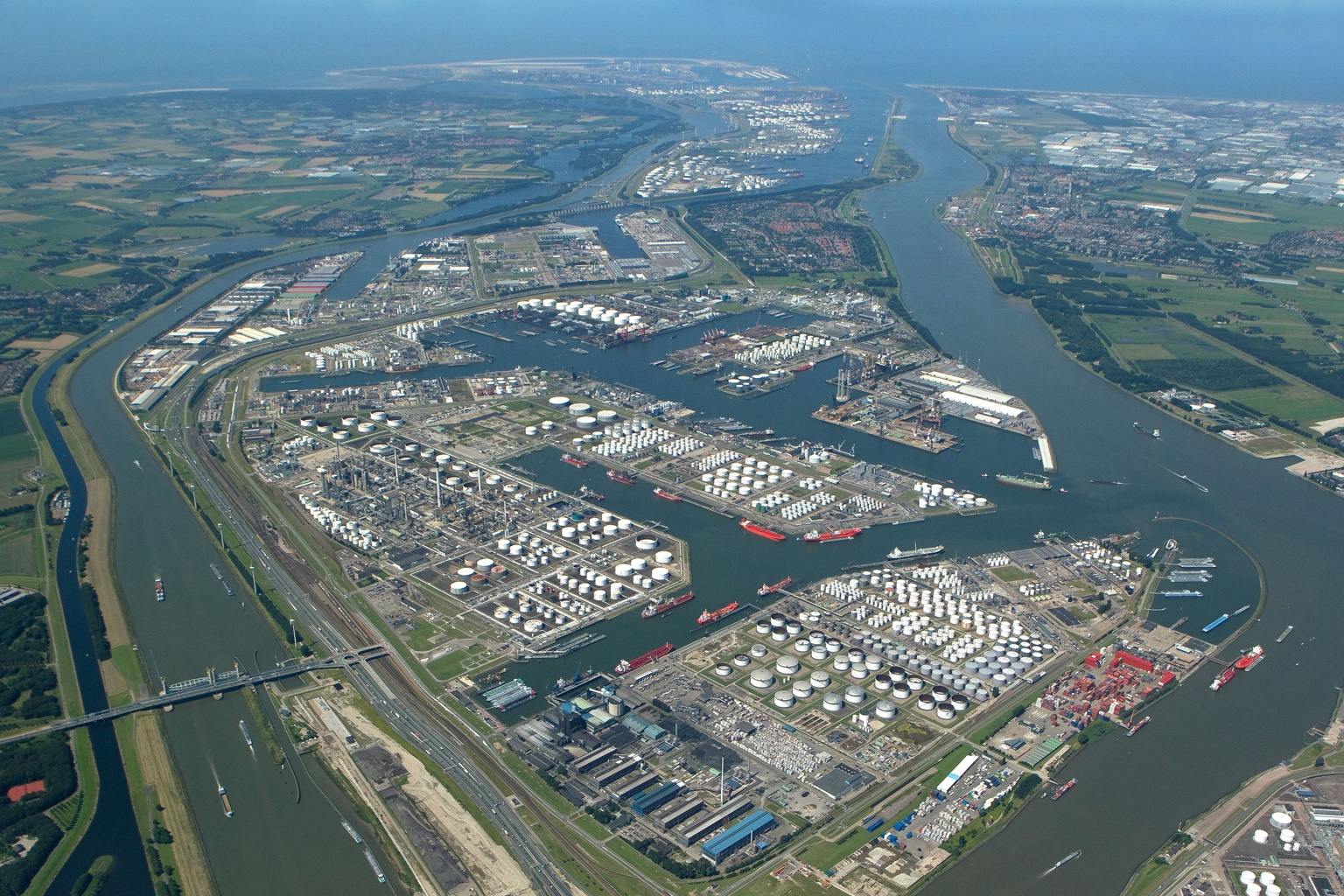 Rotterdam demonstrates another model — the development of a port as a large industrial and energy cluster. Alongside maritime infrastructure, the port area hosts chemical, petrochemical, energy, warehouse, pipeline, logistics and innovation facilities.
Importantly, Rotterdam is not just a port for transshipping raw materials. It is a place where raw materials enter the production cycle, are processed, stored, blended and transported by pipelines, railways, roads and inland waterways. Port land there has significantly higher value precisely because it is integrated into an industrial ecosystem.
For Ukraine, this experience is especially relevant in the context of the ports of Pivdennyi, Chornomorsk, Odesa, Reni and Izmail. Near ports, it is possible to develop not only grain or container terminals, but also oilseed processing, production of meal and vegetable oil, terminals for mineral fertilizers, cement, construction materials, biofuels, biomethane, hydrogen, chemical products, as well as circular economy facilities — processing of waste, secondary raw materials and industrial residues.
The most important lesson from Rotterdam is that port territory should be planned as a cluster, not as a random set of warehouses. Each resident should reinforce the others: one creates cargo flow, another provides storage, a third handles processing, a fourth supplies energy, and a fifth provides logistics.
Jurong Island: Shared Infrastructure for Major Producers
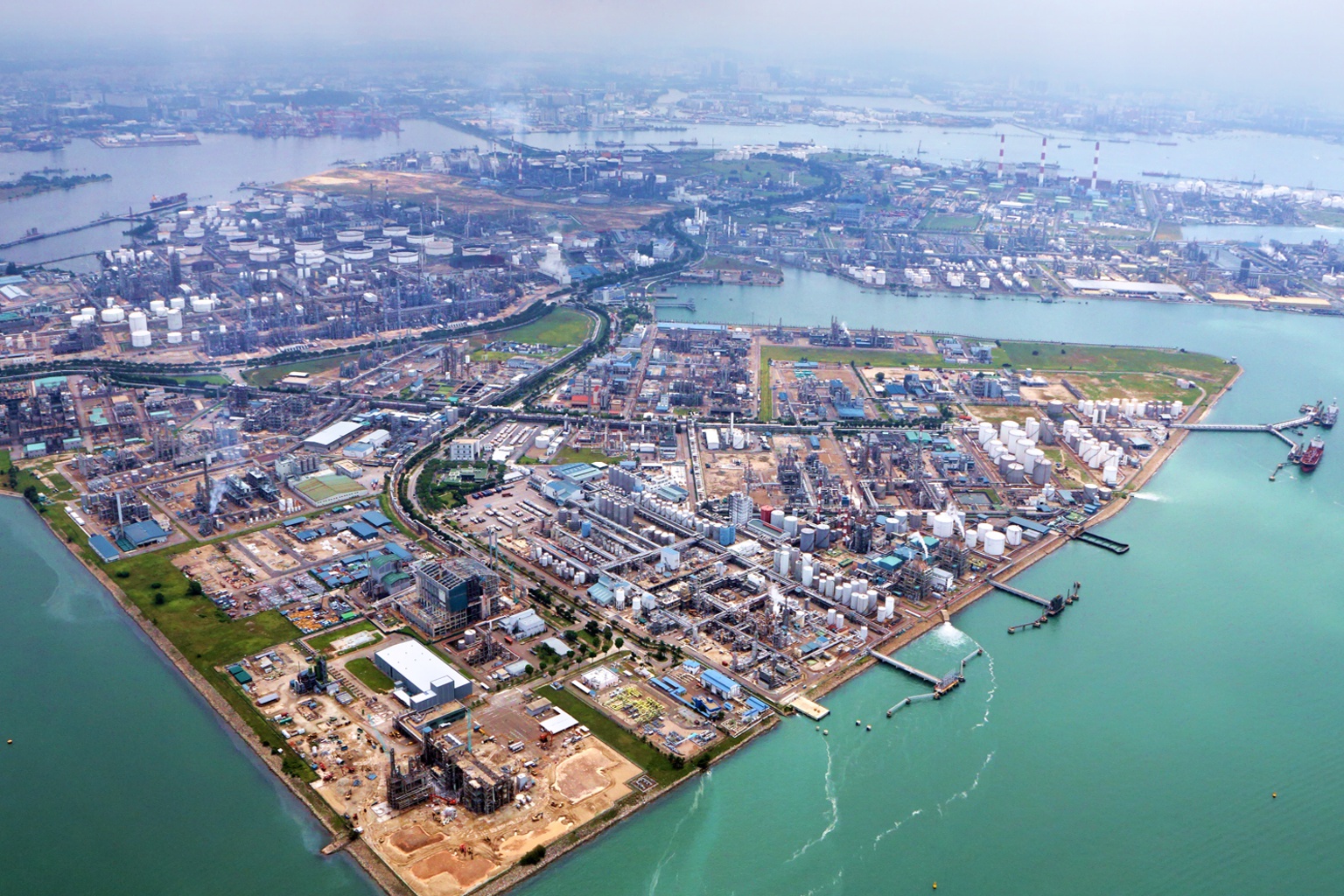
Singapore’s Jurong Island is one of the best examples of how a country with limited territory and no domestic raw material base can create a powerful world-class industrial cluster. Its logic is the concentration of energy and chemical companies in a single specialized area with access to berths, pipelines, utilities, engineering networks, safety systems, service companies and shared infrastructure.
The main principle of Jurong Island is plug-and-play for industry. Investors do not have to solve all infrastructure issues from scratch on their own. They enter a prepared ecosystem where basic engineering conditions, logistics, energy supply, industrial specialization and a clear regulatory framework are already in place.
For Ukraine, this means that port-adjacent territories need to be prepared to a ready-to-build condition. For investors, not only hectares matter, but the full package: designated land use, technical conditions, railway concept, access to water, electricity supply, gas, water supply, environmental restrictions, urban planning documentation, a preliminary financial model and options for phased development.
The transition from “land near a port” to a “prepared development platform” can create significant added value for the asset owner.
Tanger Med: Port as a Driver of New Industrial Geography
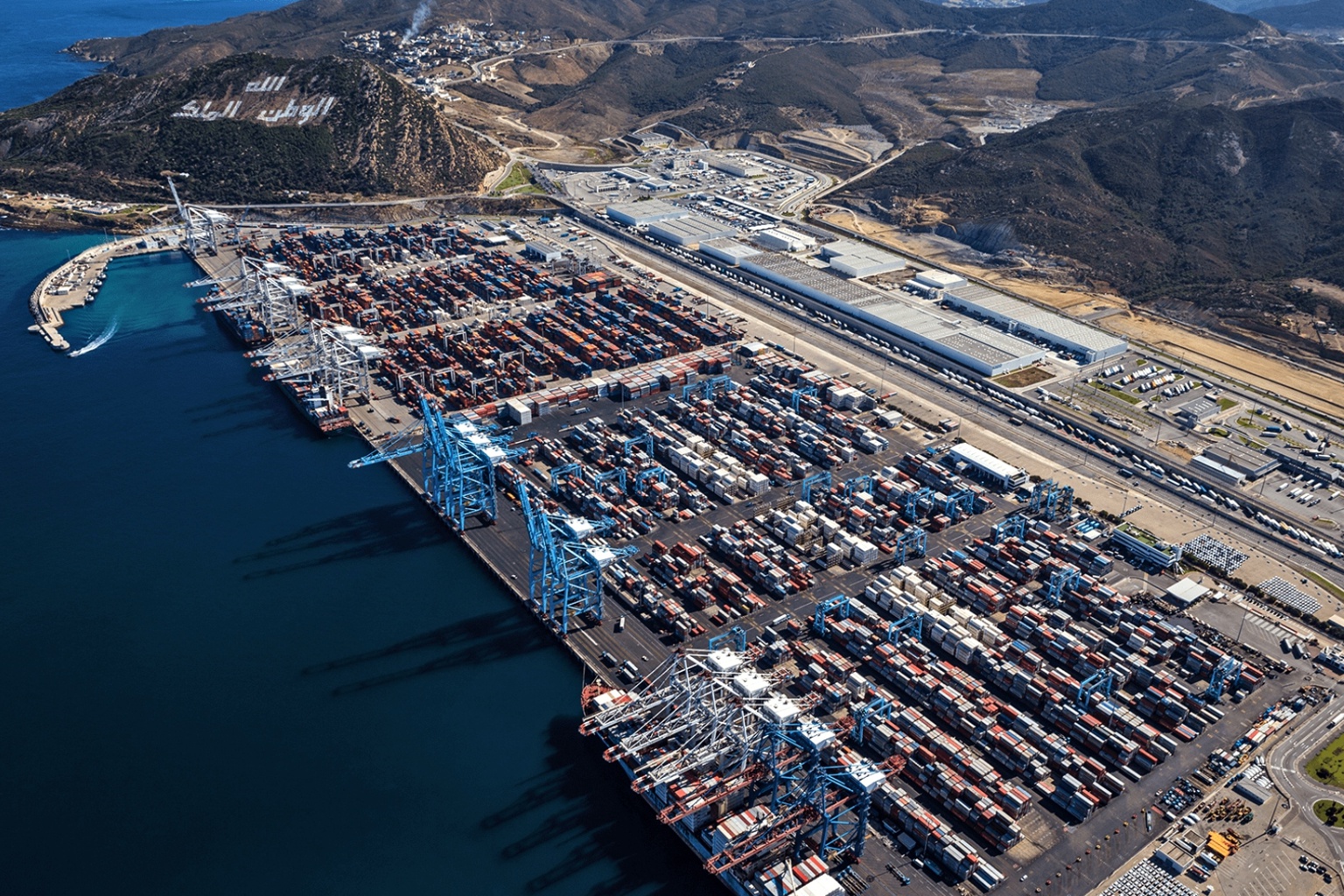
Morocco’s Tanger Med shows how a port can change the economic role of an entire region. Industrial zones for the automotive industry, logistics, aerospace sector, textiles, agribusiness and export-oriented manufacturing have been developed around the port.
This case is important for Ukraine because Tanger Med did not limit itself to the role of a transit container hub. Its strategy is to attract manufacturers that use the port as an export channel. This is why factories, warehouses, component suppliers, service companies, logistics operators and industrial parks emerge near the port.
For Ukraine, a similar logic could work in several areas. Near ports, it is possible to locate plants for agricultural processing, feed production, food ingredients, vegetable oil, protein, bioethanol, biodiesel, packaging, wood processing, construction materials, metal structures, cold chain logistics and e-commerce / distribution centers for the Black Sea region.
Port territory should be presented to investors not as land, but as access to the export economy.
Antwerp NextGen District: Port as a Platform for the Circular Economy
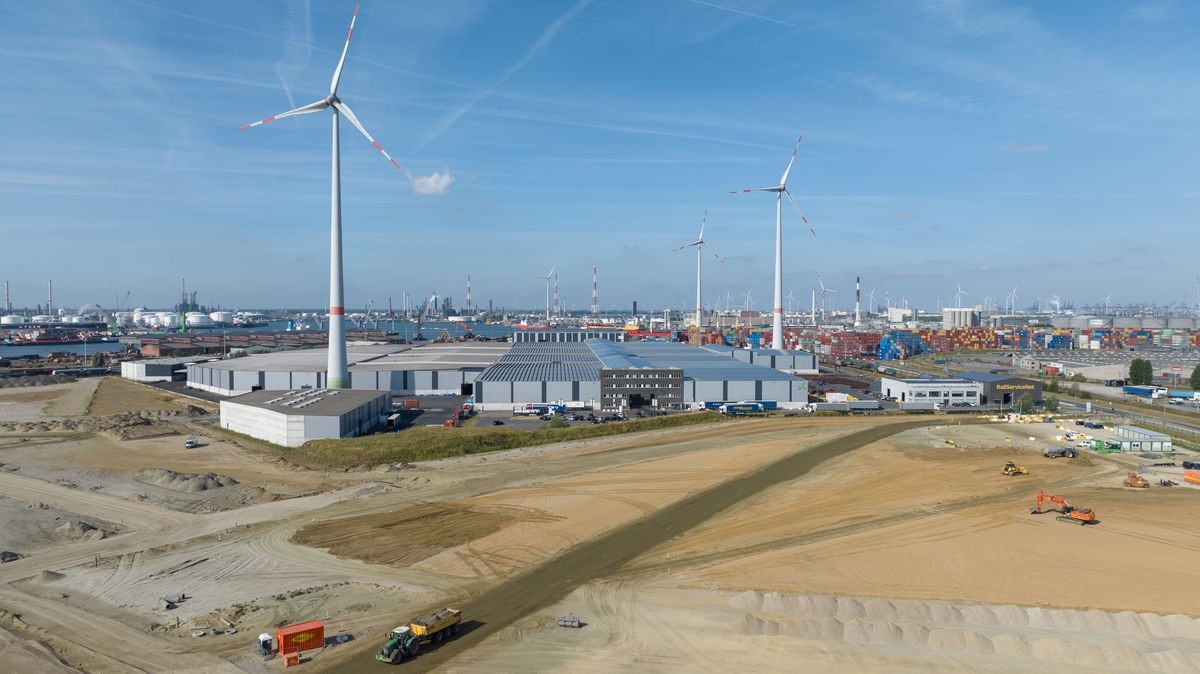
Another promising direction is the development of port-adjacent territories for recycling, decarbonization and new materials. Antwerp NextGen District in Belgium demonstrates how a former industrial site can be reformatted into a cluster for circular economy, recycling, hydrogen, carbon utilization, bio-based materials and innovative chemistry.
For Ukraine, this experience could become the basis for a new wave of port development. Alongside traditional cargoes — grain, ore, metal and containers — ports can receive and process secondary raw materials, biomass, agricultural waste, plastic, tires, wood processing waste, construction materials after demolition, and also develop production facilities linked to renewable energy.
In Ukraine’s future recovery model, this can have a dual effect: creating industrial added value and meeting EU requirements for sustainability, decarbonization and the circular economy.
KEZAD Abu Dhabi and Savannah: Demand for Ready-Built Warehouses, Cold Storage and Fast-Track Modular Facilities
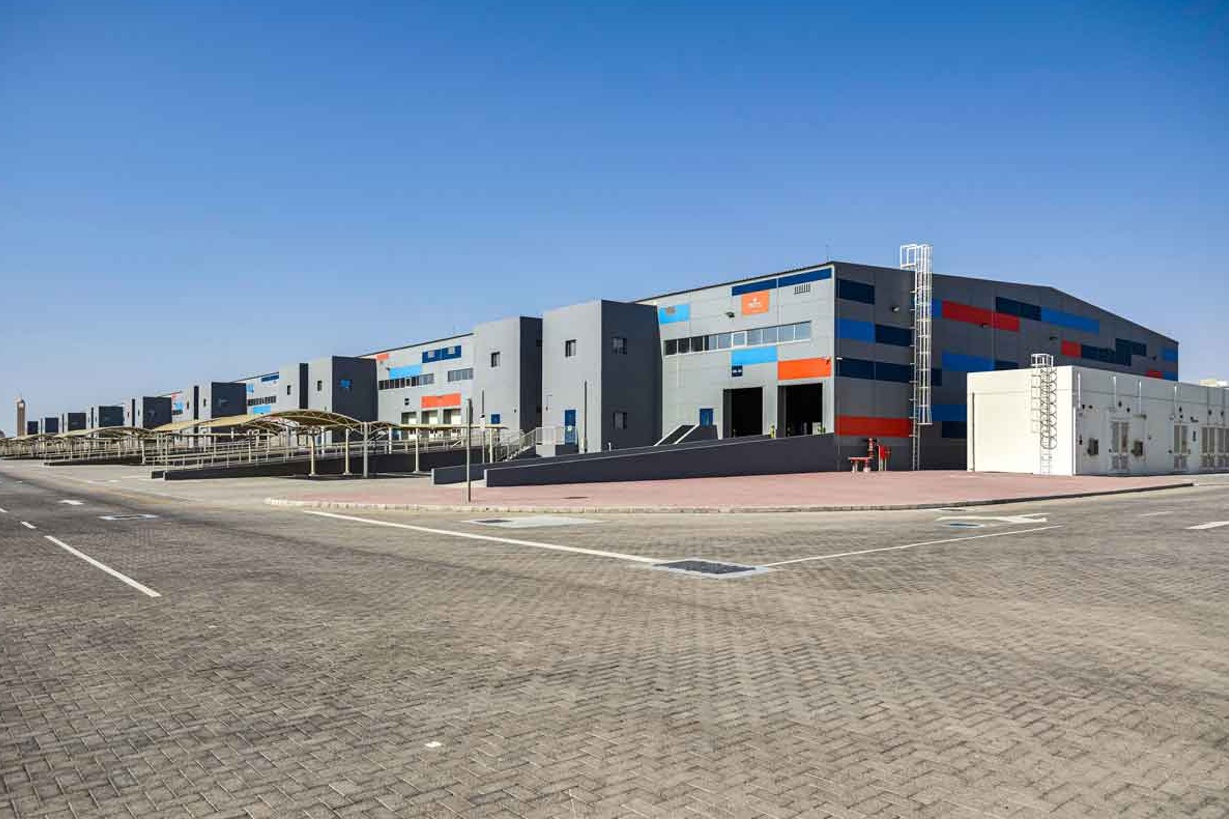
A separate international trend is the development of ready-built warehouses, build-to-suit facilities, cold storage, light industrial units and logistics parks near ports. KEZAD in Abu Dhabi is developing a model where an investor or tenant can obtain not only a land plot, but also ready or partially prepared infrastructure for launching operations. In the United States, a large logistics market has formed around the Port of Savannah, with private warehouses, distribution centers and dry ports that help move cargo beyond the port gates and reduce pressure on the terminal itself.
For Ukraine, this is an important direction because a significant part of port logistics is still viewed through the lens of a berth and an elevator. However, future demand will be broader: container warehouses, temperature-controlled warehouses, logistics for food products, pharmaceuticals, FMCG, e-commerce, automotive components, agricultural ingredients, packaging materials and industrial imports.
This means that port-adjacent land can be monetized not only through the construction of one large terminal, but through the phased creation of a port and warehouse park with different tenants.
What Ideas Ukraine Can Use
International experience points to several practical directions for developing private port-adjacent capacities in Ukraine.
The first is the creation of port-railway hubs. For Ukraine, where exports depend heavily on rail transport, the key advantage is not only access to water, but also the ability to form large cargo lots, accumulate railcars, sort flows, reduce downtime and quickly deliver cargo to the berth.
The second is the development of dry ports and warehouse zones near seaports. This makes it possible to relieve pressure on berth infrastructure, move part of operations to the hinterland zone, increase cargo handling speed and create additional sources of revenue from storage, customs services and leasing.
The third is processing near the port. For the agricultural sector, this may include oil extraction plants, production of meal, protein and feed, flour milling and bioenergy projects. For industry, this may include construction materials, metal structures, fertilizers, chemicals, energy products, recycling of secondary raw materials and other areas.
The fourth is the landlord model. The owner of strategic land does not have to build all facilities independently, but can create a port-industrial park and provide plots under long-term lease or concession to individual operators, traders, manufacturers and logistics companies.
The fifth is joint ventures with international port operators or strategic traders. In this model, the Ukrainian asset owner contributes land, location, legal structure and local expertise, while the partner contributes capital, technology, cargo flows, an operating model and an international client base.
The sixth is preparing assets to a ready-to-build condition. This can be a standalone investment strategy: acquire strategic land, prepare urban planning, technical, railway, environmental and financial documentation, and then sell the asset at a higher value to a strategic investor or attract a partner on better terms.
Why This Is Relevant Now
Despite the war and security risks, Ukraine’s port system continues to operate and proves its strategic role for the economy. Ukraine remains a major exporter of agricultural products, metallurgical and industrial goods, and once the situation stabilizes, demand for maritime logistics, container flows, warehouse infrastructure and processing near ports may grow significantly.
In addition, international investors’ interest in port concessions and infrastructure projects indicates that the market does not view Ukraine solely as a risk zone. On the contrary, for some strategic players, this is an opportunity to enter scarce assets before competition fully recovers and valuations rise.
This is why private port-adjacent territories with access to water, railways and scalability potential may become one of the most attractive classes of infrastructure assets in Ukraine.
Investment Opportunity: 100 ha Near the Port of Pivdennyi as a Platform for Port Development
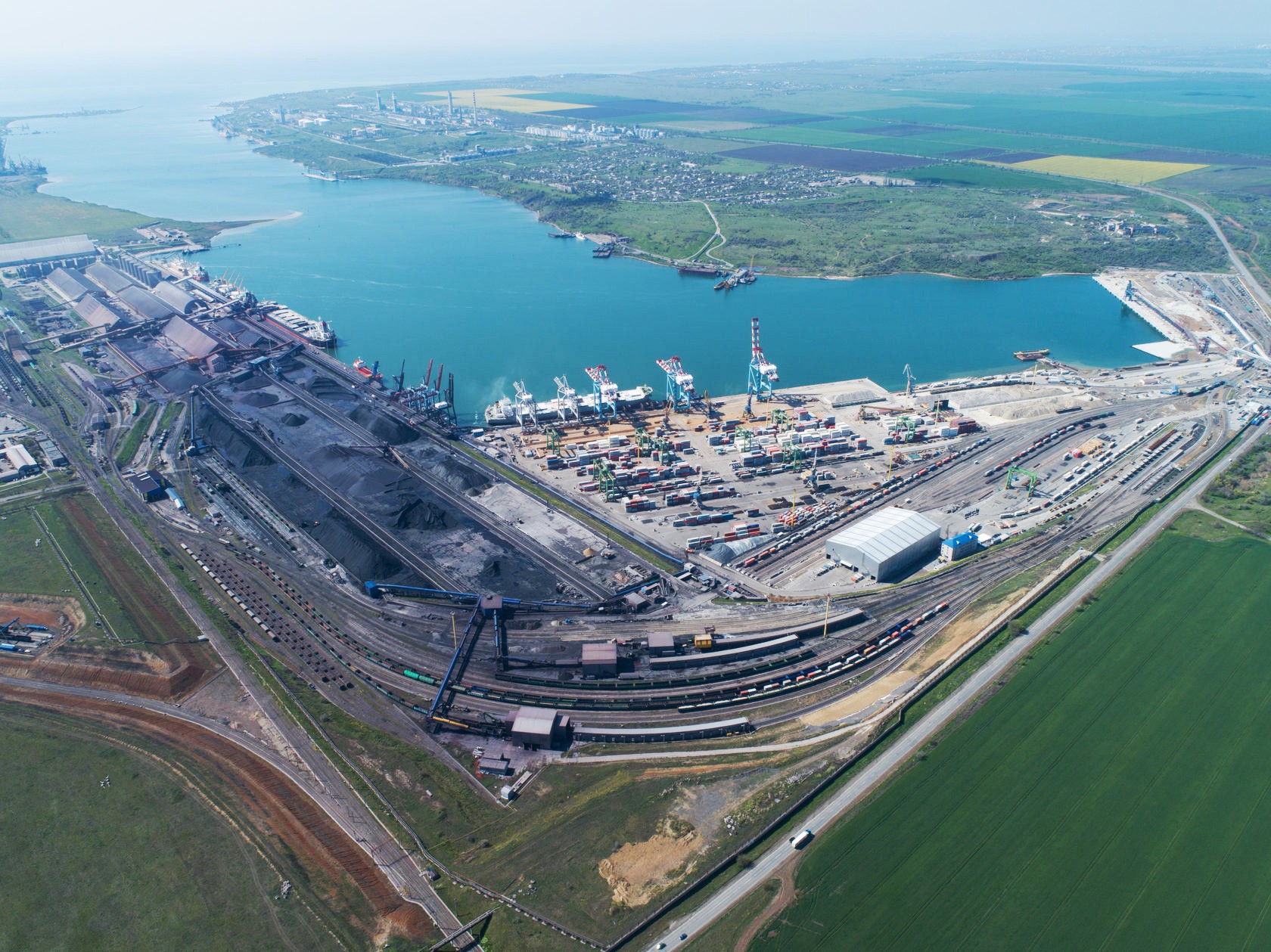 In this context, InVenture’s investment opportunity involving the sale of a 100 ha land plot near the Port of Pivdennyi in Odesa Region deserves particular attention.
This asset should not be viewed as an ordinary land plot. Its potential value lies in the opportunity to create a full-scale deep-water port-railway logistics hub with several functional zones: berth infrastructure, a railway station-HUB, a dry port, an industrial and warehouse zone, a container or multi-cargo terminal, as well as sites for processing and logistics facilities.
International examples such as Jebel Ali, Rotterdam, Jurong Island, Tanger Med, Antwerp, KEZAD and Savannah show that the greatest value of port-adjacent land is created when it becomes not a passive asset, but a platform for cargo flows, production, warehousing, services and long-term partnerships.
For a strategic investor, such a site can become an instrument of control over the export chain. For a financial investor, it is an opportunity to acquire a scarce port asset with value growth potential. For a developer, it can serve as a base for creating a port-industrial park. For an international operator, it can become an entry point into Ukrainian maritime logistics.
Such assets can shape the new architecture of Ukraine’s port infrastructure: not only restored, but deeper, more integrated, private, industrial and internationally competitive.