


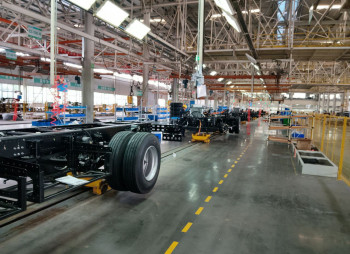


PROJECT OVERVIEW
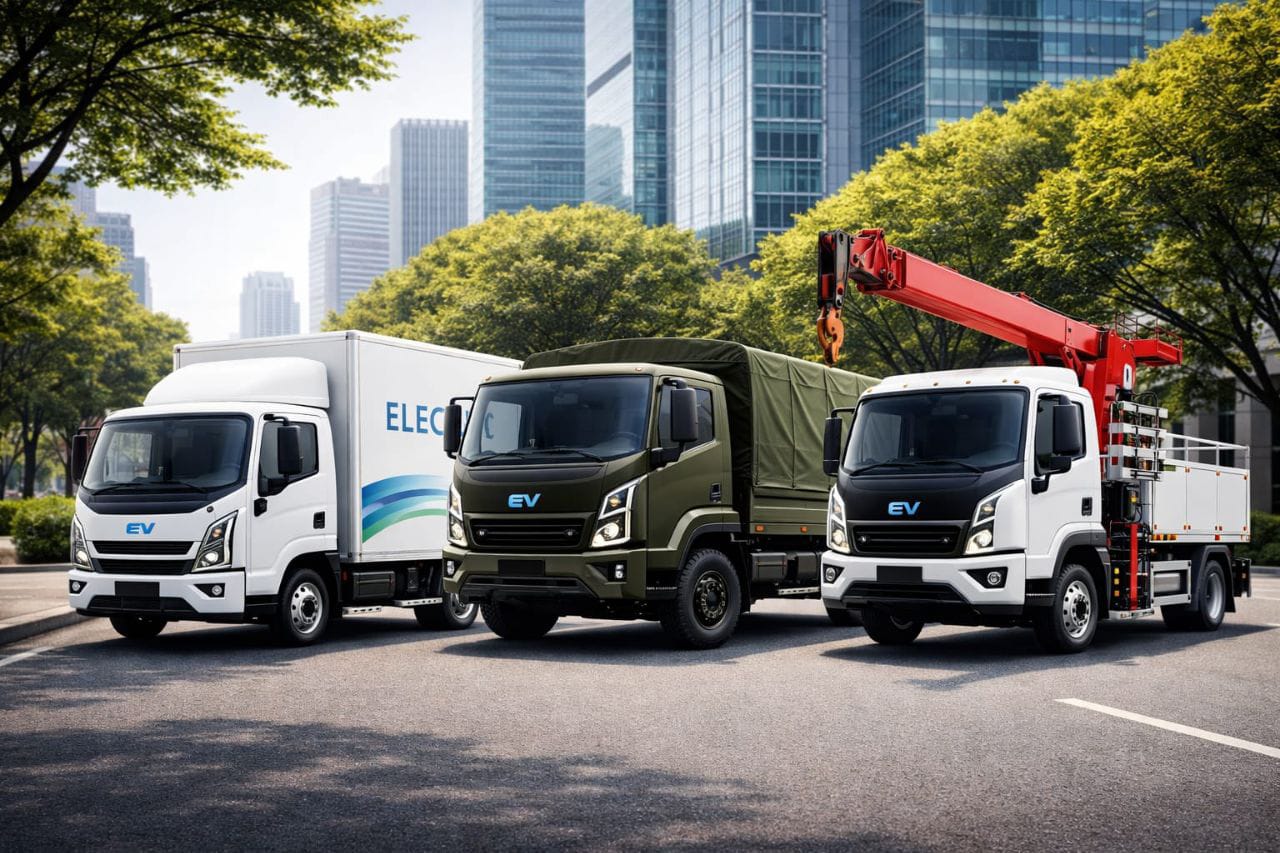
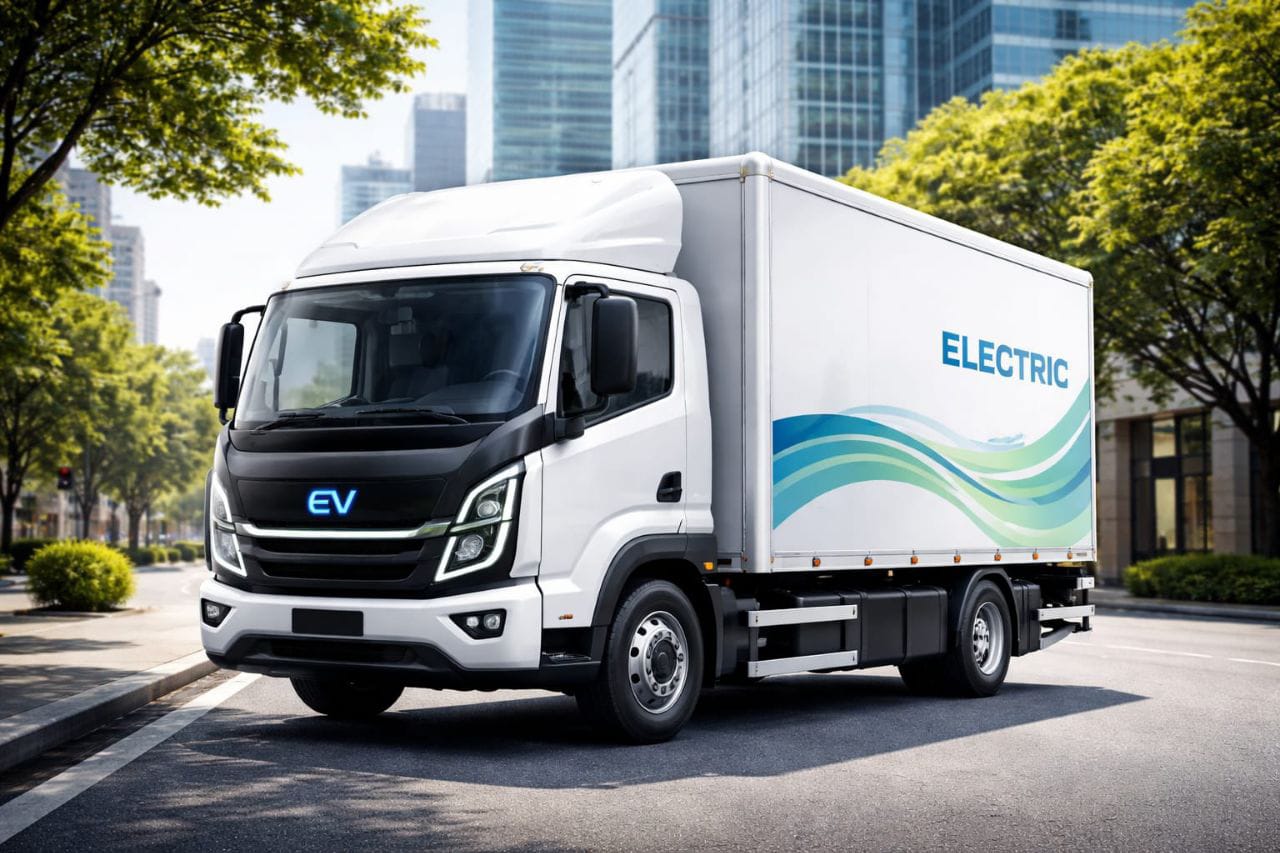
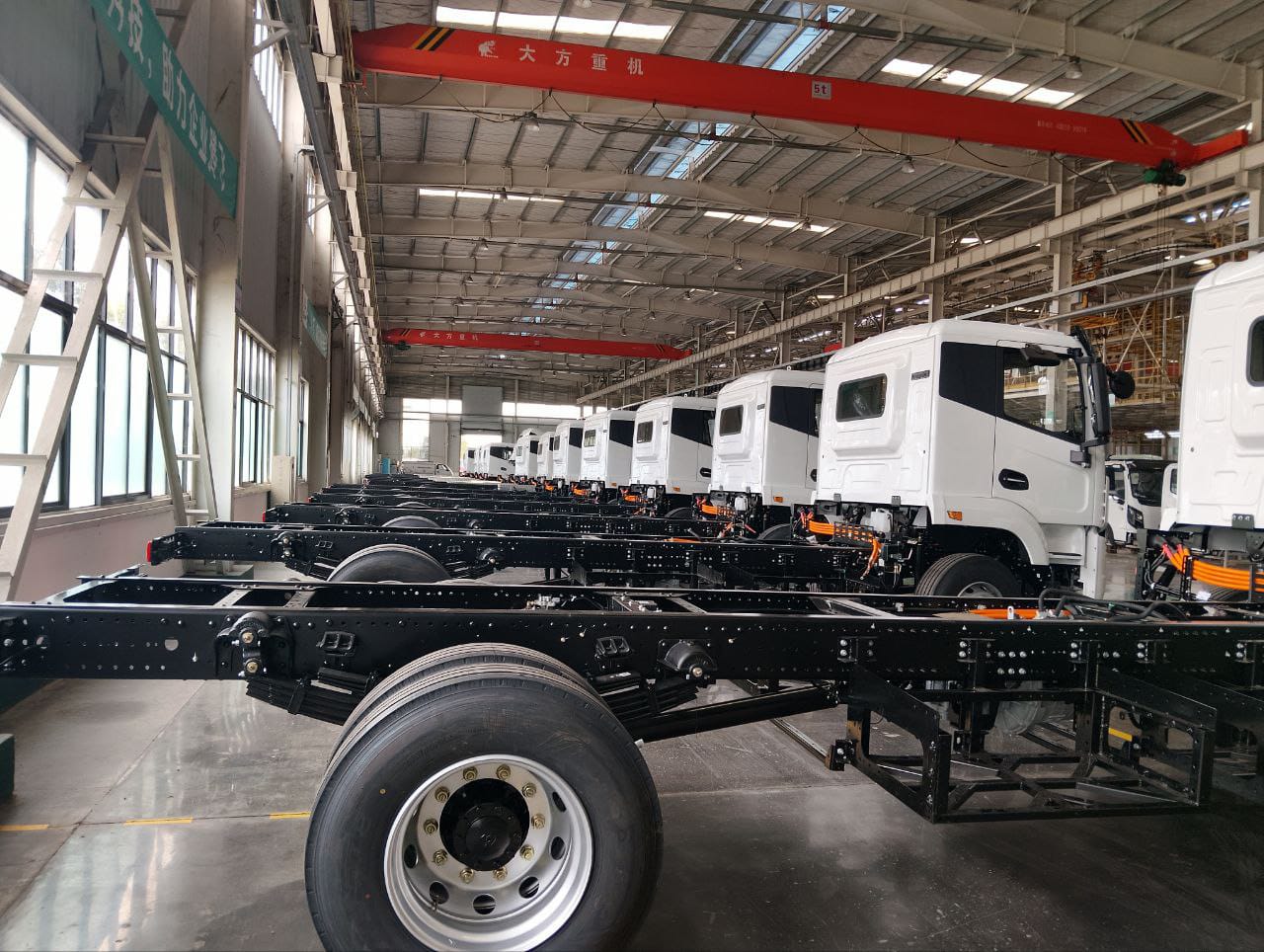
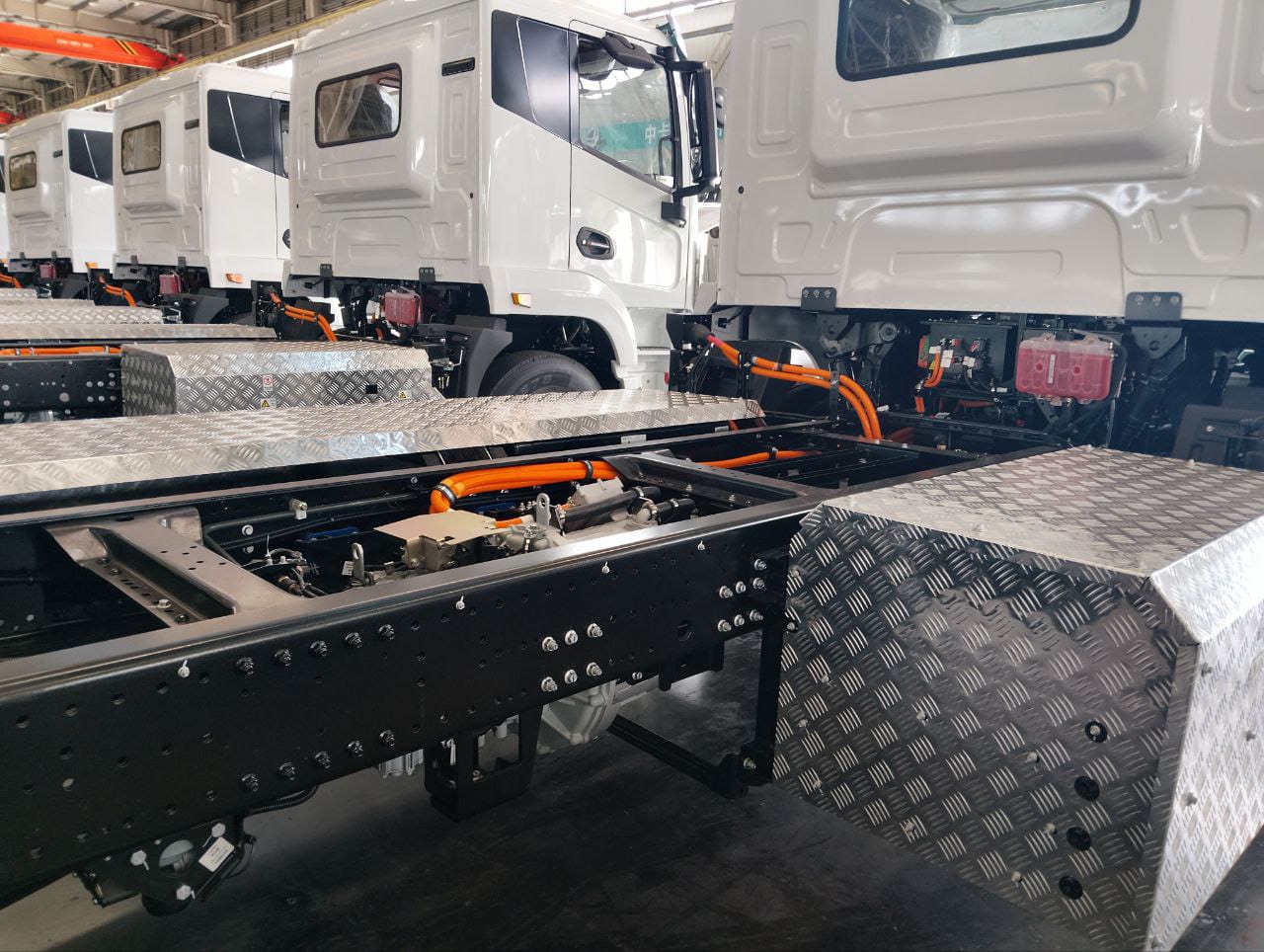
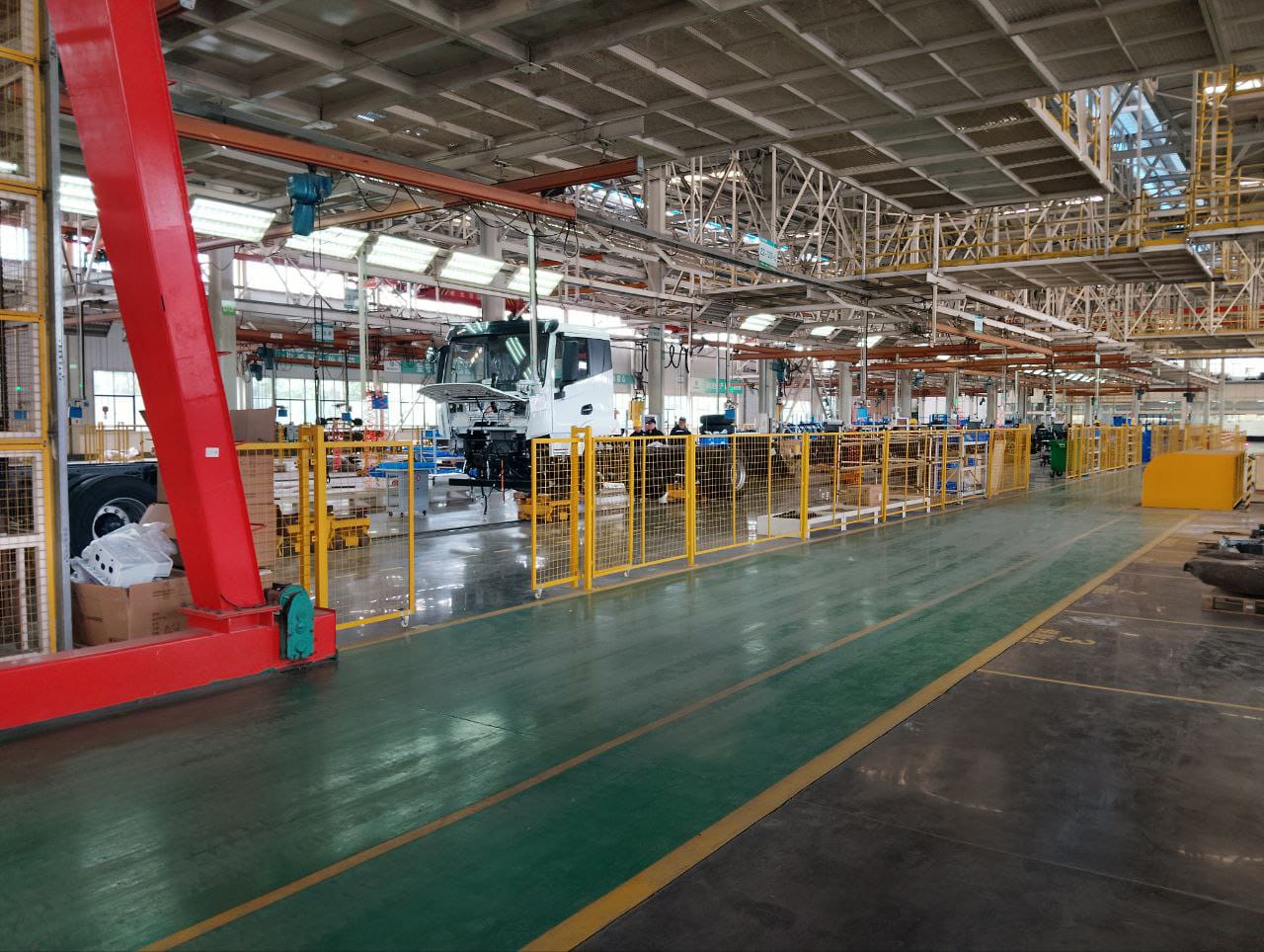
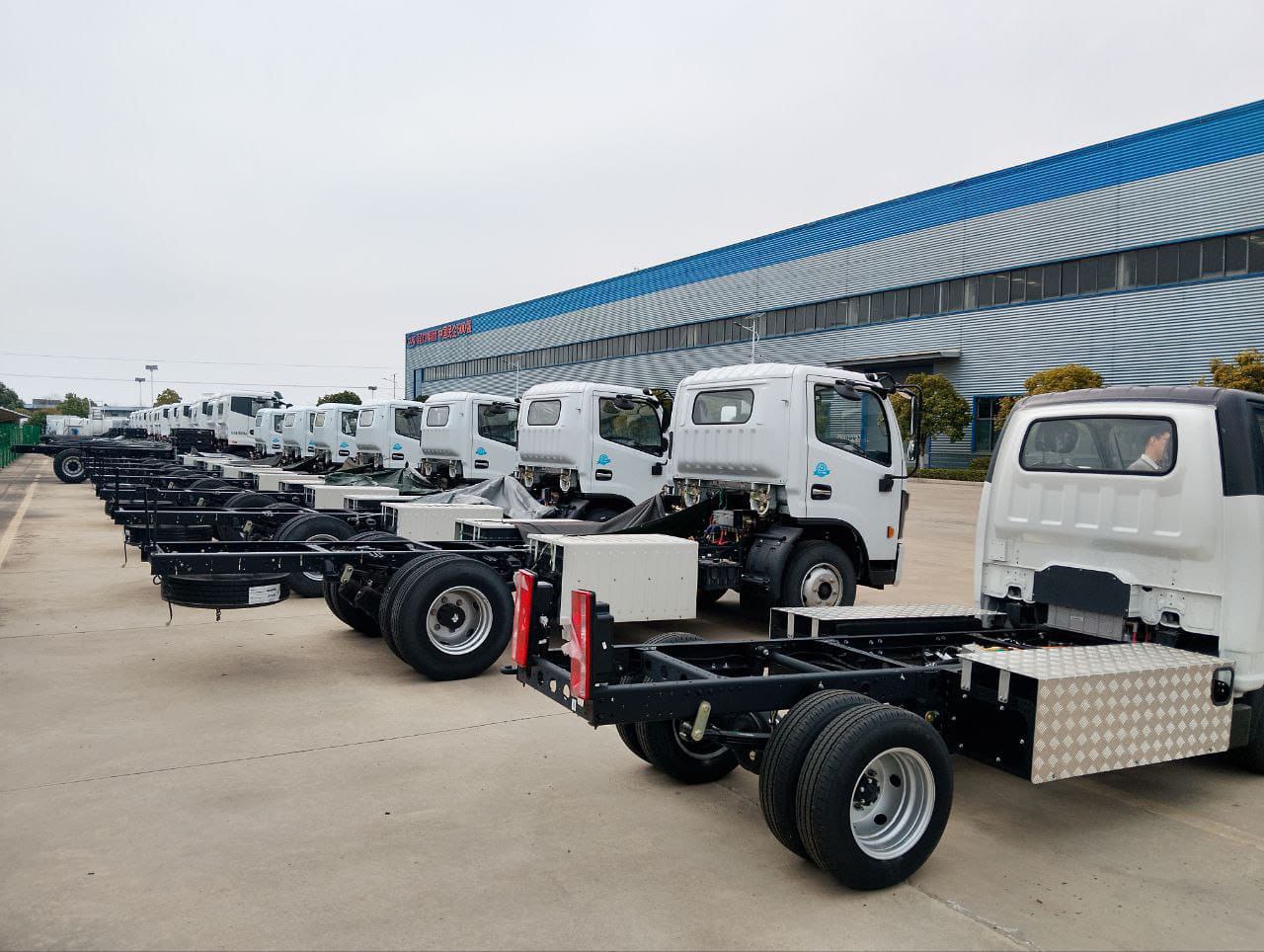
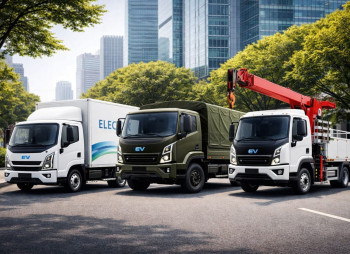
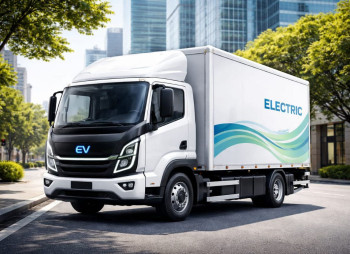
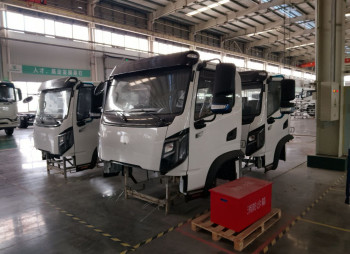
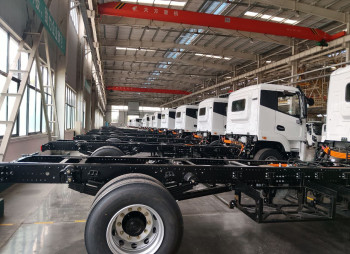
Eximvat LLC offers investors a project involving the sale and local semi-knockdown assembly (SKD) of modern electric trucks, which will help meet the needs of the Ukrainian market for affordable yet high-quality electric commercial vehicles with payload capacities of 1.5, 4.5 and 8 tonnes.
The implementation of this innovative project will make it possible to establish, so far, the only manufacturer of this type of product in Ukraine, capable of meeting demand for electric cargo transport from private individuals, farms, sole proprietors, state and municipal enterprises, as well as the Ministry of Defense of Ukraine and the State Emergency Service of Ukraine.
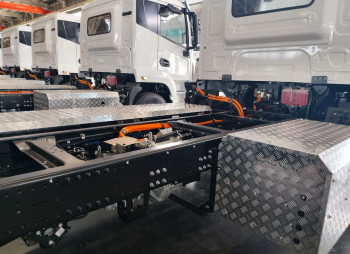
The vehicle chassis can be configured as either two-wheel drive or four-wheel drive (4×4), including for the needs of the army and the State Emergency Service. The key advantages of this type of transport are substantially lower operating costs — 2–3 times lower than diesel alternatives — environmental friendliness, low-noise operation, and the absence of a thermal signature, which is an important factor in procurement for military use.
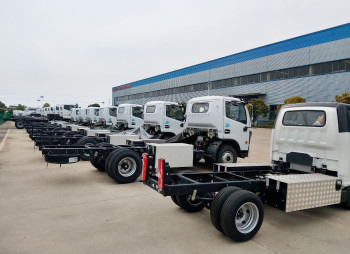
Such trucks can serve as a platform for mounting a wide range of equipment on the chassis, including cargo platforms, cranes, dump bodies, special-purpose equipment and other superstructures.
The production of electric trucks with payload capacities of 1.5, 4.5 and 8 tonnes is capable of fully meeting the needs of the Ukrainian market for vehicles in this class.
Under an SKD assembly model, the cost of such vehicles will be equal to or only slightly, by up to 15%, higher than that of diesel equivalents. Given the substantially lower operating costs, purchasing such transport is economically attractive for customers.
BRIEF MARKET ANALYSIS
The Ukrainian market for electric trucks in the 1.5–8 tonne chassis segment is still at an early stage of development, but it is already demonstrating significant growth potential. In 2025–2026, its current size in the commercial segment is estimated at 2,500–3,000 units per year.
Given the gradual electrification of logistics, rising demand for cost-efficient transport, and the expanding use cases for electric trucks, the potential market capacity by 2035 could reach a cumulative fleet of 150,000–180,000 units. According to forecasts, annual sales by that time could grow to 17,000–20,000 units, corresponding to a market value of approximately $1.0–1.3 billion per year.
The cumulative market volume over the period 2026–2035 is estimated at $6–8 billion. The main growth drivers are expected to be rising fuel prices, the development of e-commerce and urban logistics, harmonization with European standards, and stricter environmental requirements for transport.
SALES AND MARKETING
The sales and marketing system for electric trucks with payload capacities of 1.5–8 tonnes in Ukraine is being developed under a mixed model. It provides for direct sales from the manufacturer or importer, the development of a dealer network, and the use of leasing and financial instruments, including operating leases, credit financing and trade-in solutions. The key focus is on reducing the total cost of ownership for the end customer.
The main sales and promotion channels include B2B sales through corporate departments, participation in tenders, industry exhibitions, digital marketing, and the implementation of pilot projects with large clients.
The target audience includes private individuals and farms, for whom small-scale transportation and agricultural needs are relevant; sole proprietors operating in urban logistics and delivery; legal entities, including retail, logistics companies and manufacturing businesses; as well as the public sector, including the Ministry of Defense of Ukraine and the State Emergency Service of Ukraine, where demand is driven by the need for specialized transport, fuel savings and increased mobility.
The key decision-making factors for customers are price, availability of service infrastructure, driving range, adaptability of the vehicles to different types of tasks, and the payback period of investment in such transport.
CURRENT STAGE OF PROJECT DEVELOPMENT
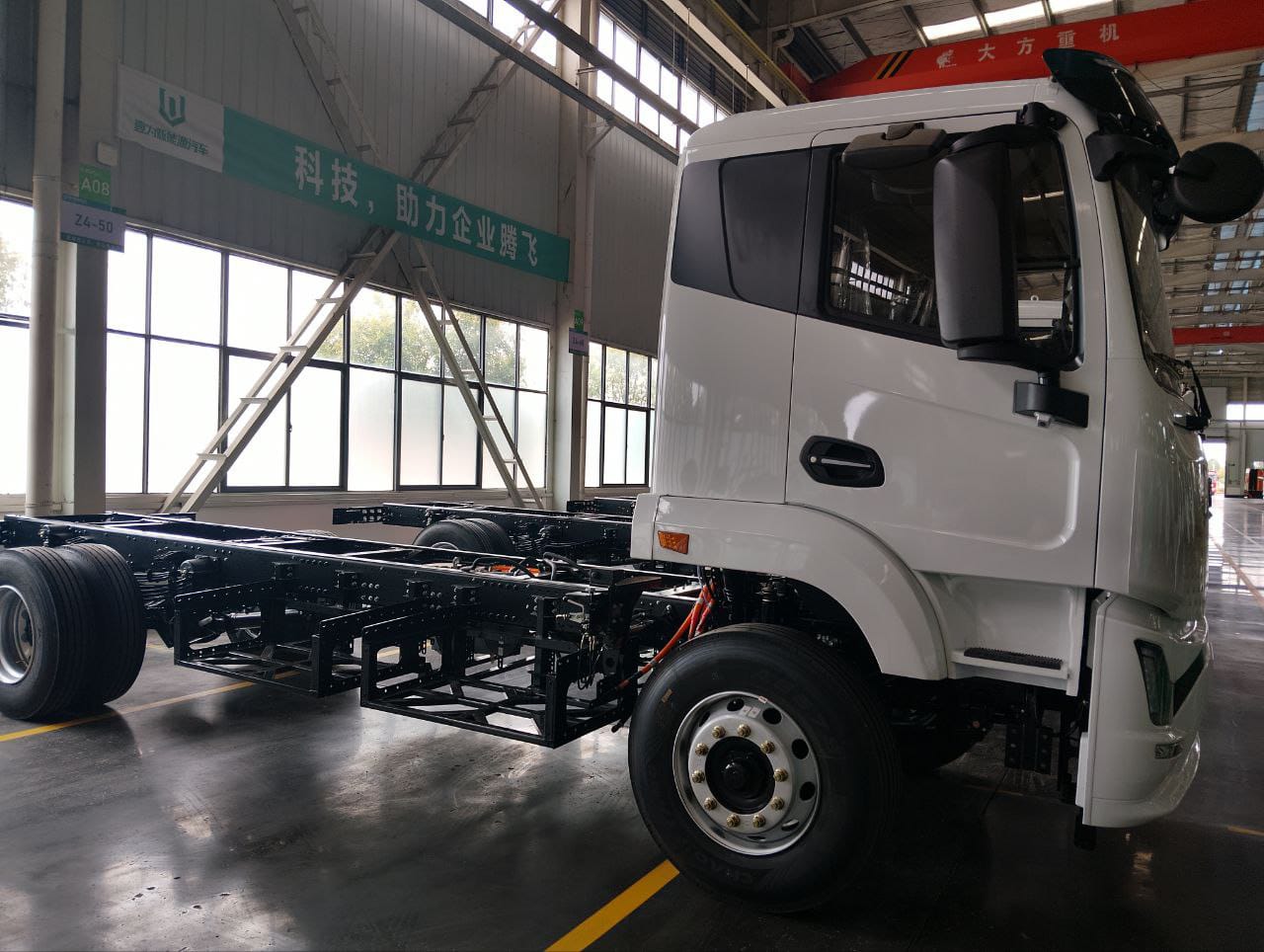
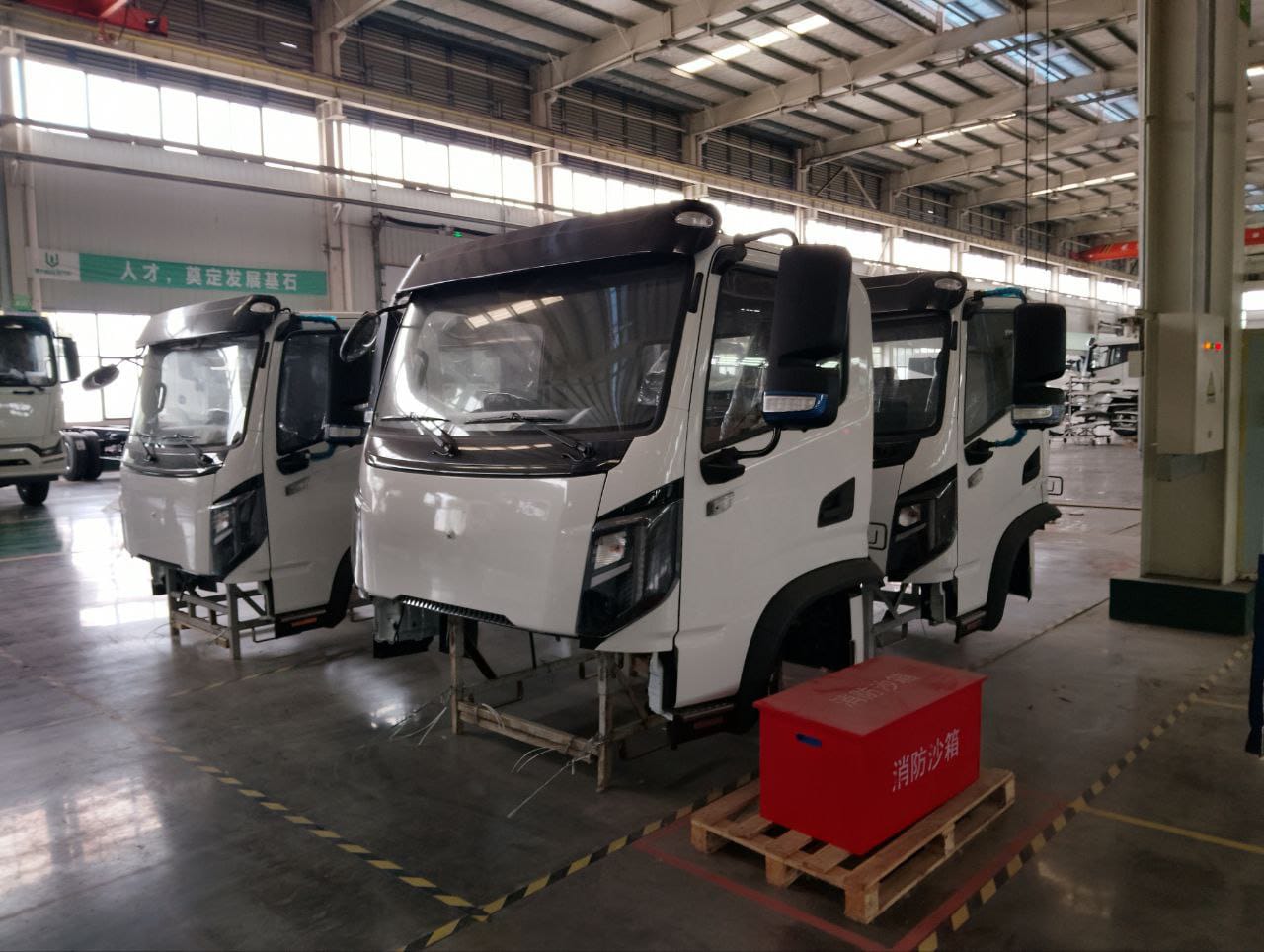
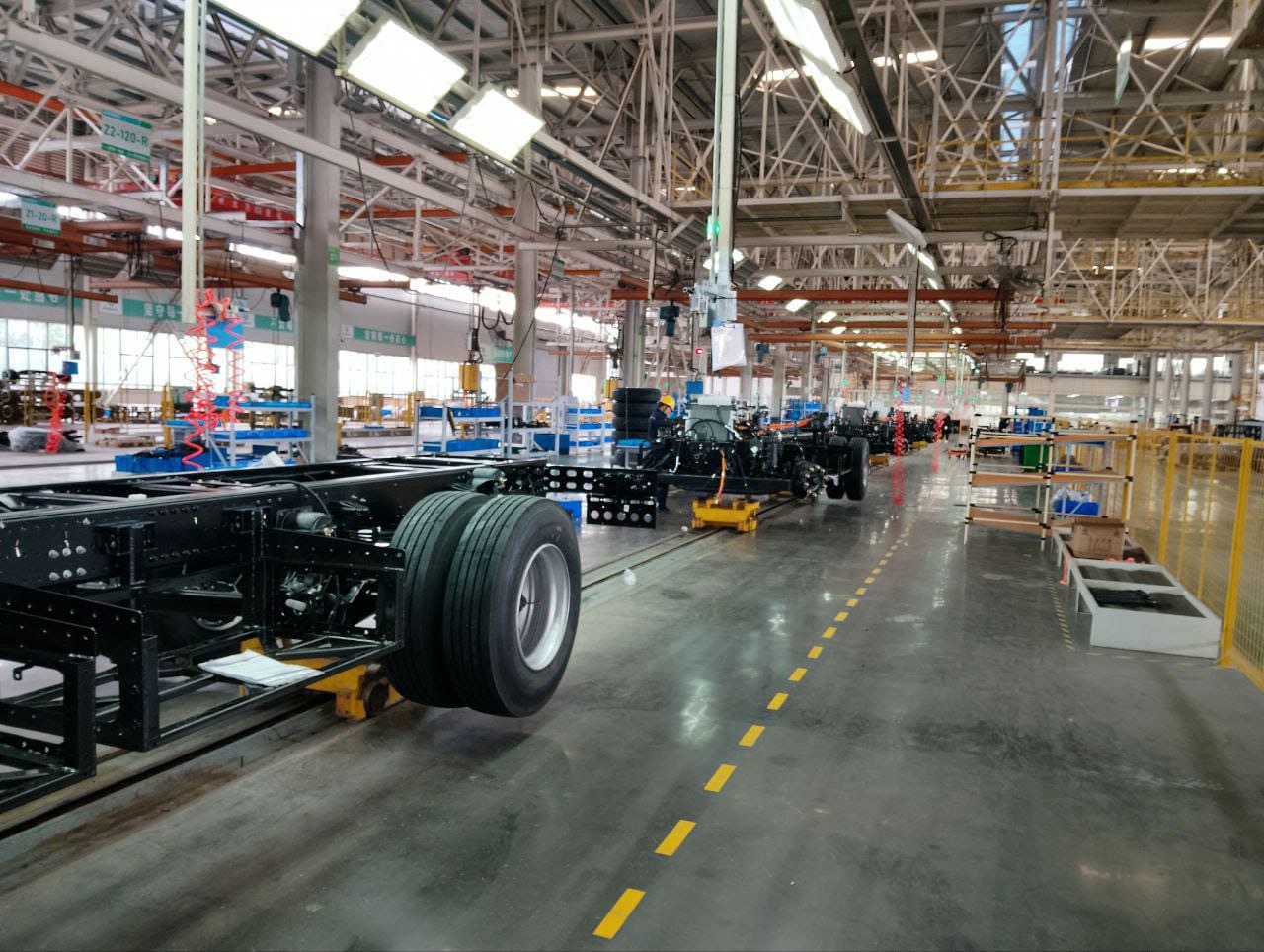
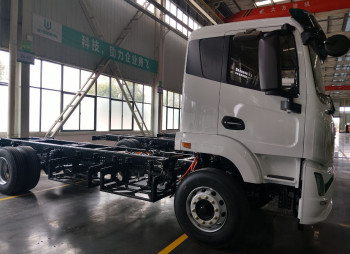
The company was established in 2024. A project implementation roadmap has already been formed. As part of the preparatory stage, negotiations have been held with potential manufacturers and partners, working visits to production sites have been made, and preliminary agreements have been reached regarding the supply of both finished electric trucks and components for their assembly.
As of today, the project has received its first market validation of demand: preliminary orders have been secured for 36 electric trucks with a payload capacity of 4.5 tonnes.
ASSET INFORMATION
The real estate required for the project is being secured on a lease basis. The company also owns a trademark and has preliminary agreements necessary for organizing supply and launching operations. As part of the project preparation, technical specifications and solutions for creating a vehicle assembly line have been developed.
TEAM AND PERSONNEL
One founder and three technical specialists: 2 engineers and 1 mechanic.
KEY CURRENT AND TARGET PROJECT INDICATORS
Pilot production: 3 units.
Serial production: from 30 to 1,000 vehicles per year during the first three years.
Payback period: 2 years (upon the sale of 190 vehicles).
INVESTMENT BUDGET
Stage 1. Purchase of three electric trucks with payload capacities of 1.5, 4.5 and 8 tonnes for product certification and project promotion — $150,000.
Stage 2. Purchase of six truck kits for semi-knockdown assembly (SKD), procurement of equipment and materials, lease of premises for 12 months, production setup, and coverage of administrative and operating expenses, including payroll — $600,000.
The project has been partially financed in the amount of $35,000.
TOTAL REQUIRED INVESTMENT
Total investment required: $750,000. Stage one: $150,000; stage two: $600,000.
The investor is offered a substantial equity stake in the company’s charter capital and a corresponding share in profit distribution.
