

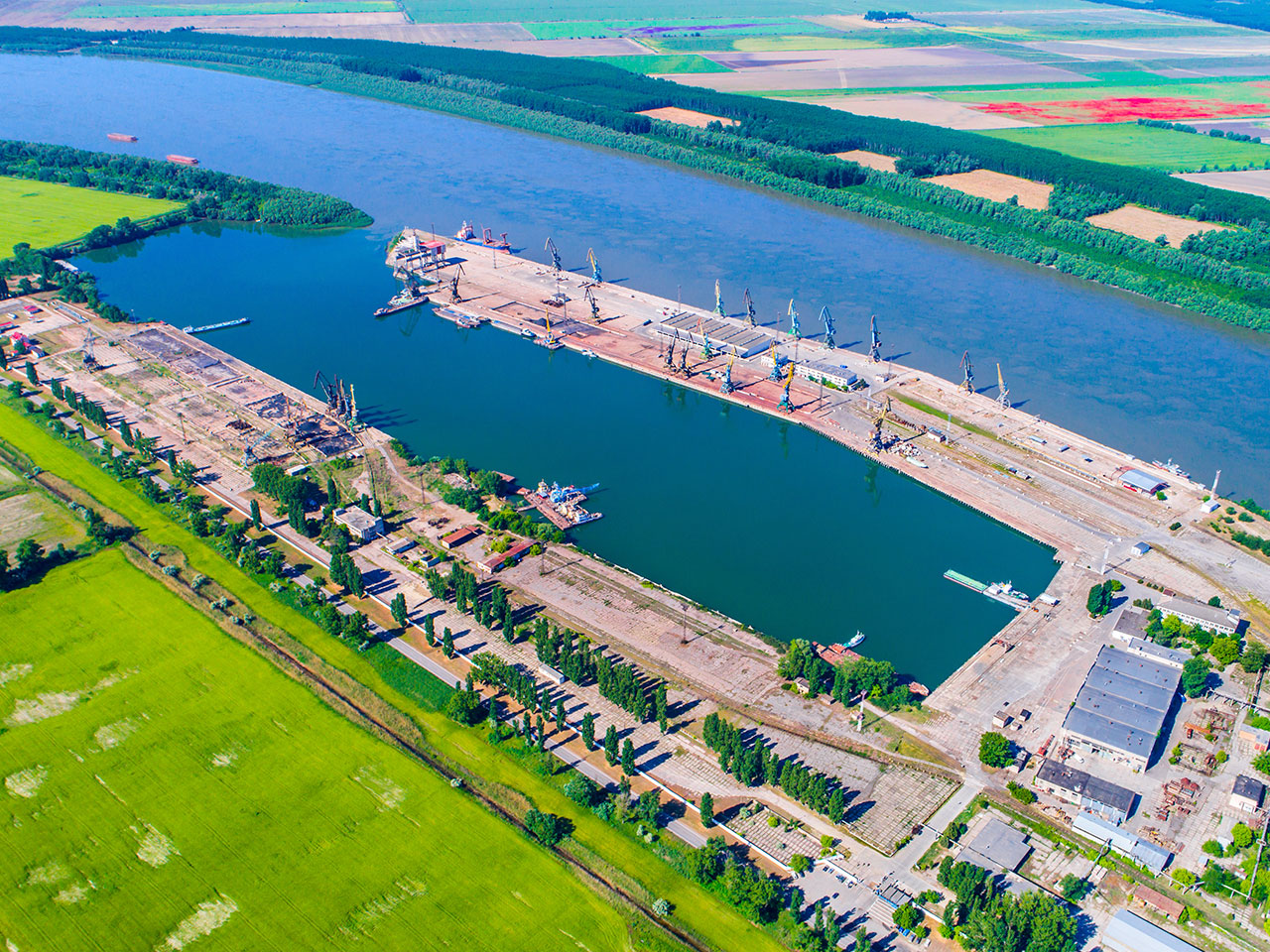
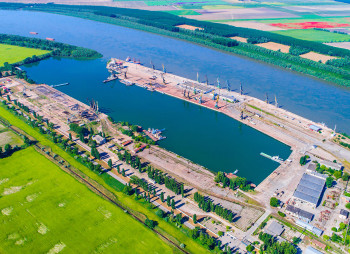
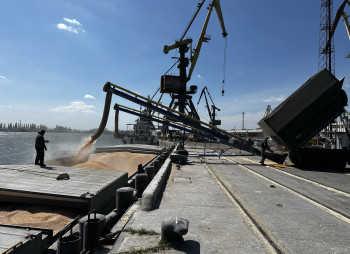
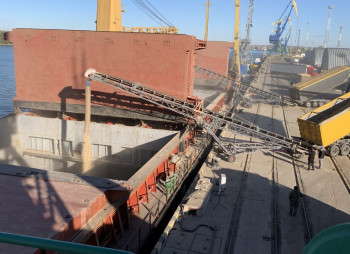
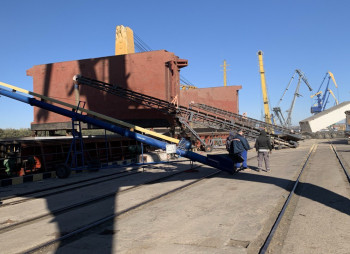


The company has the status of a port operator, providing access to the sea and river berths of the port, as well as the status of an entity of the Reni Free Economic Zone, within which an investment project for terminal reconstruction has already been approved.
The asset is focused on handling grain cargo and can provide an estimated transshipment capacity of up to 350,000 tonnes per year. The area of the leased land plot is 7,500 sq. m.
The berth depth allows the handling of both river fleet vessels and sea-going vessels of up to 15,000 tonnes.
Production Facilities and Equipment
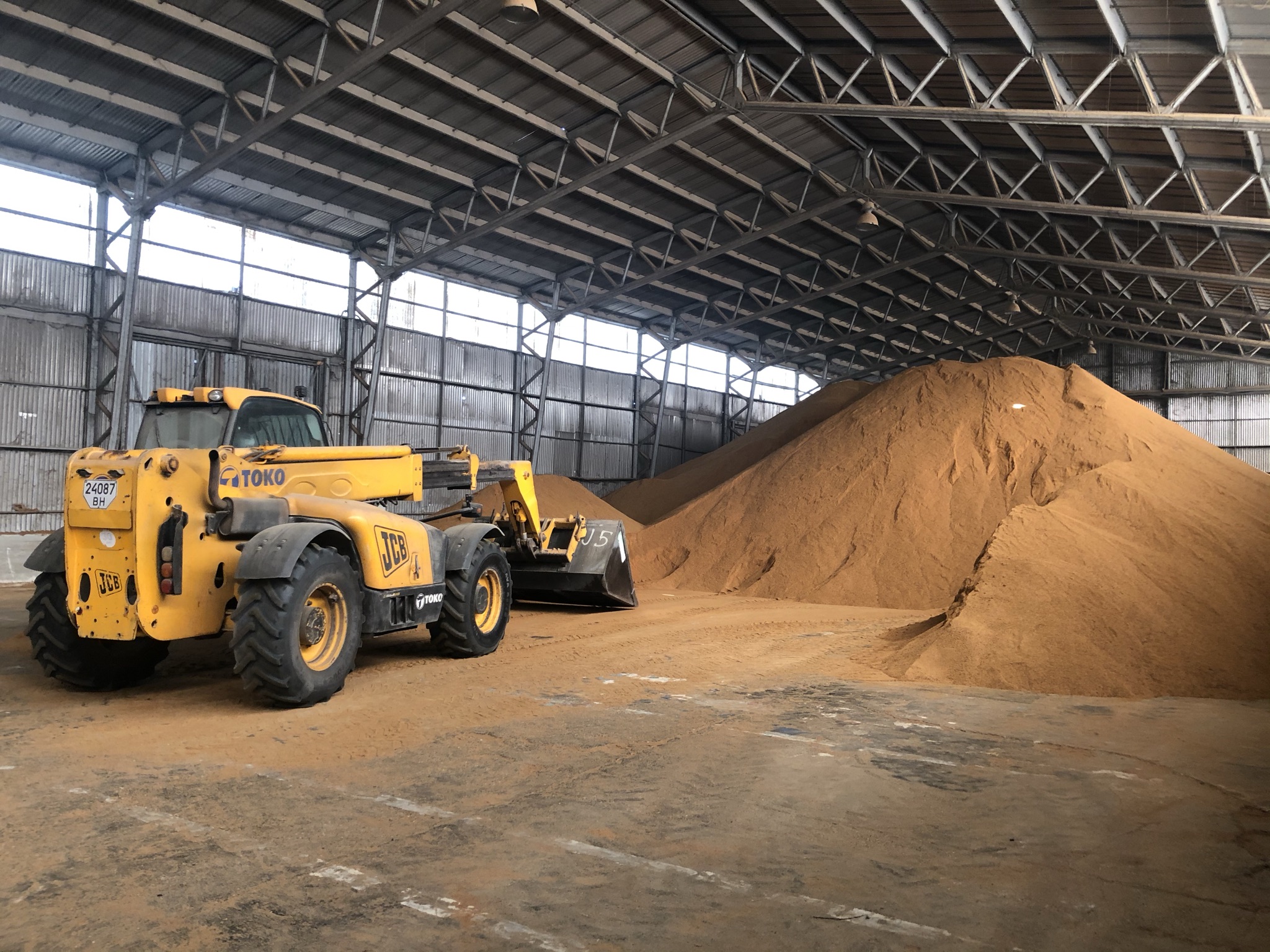
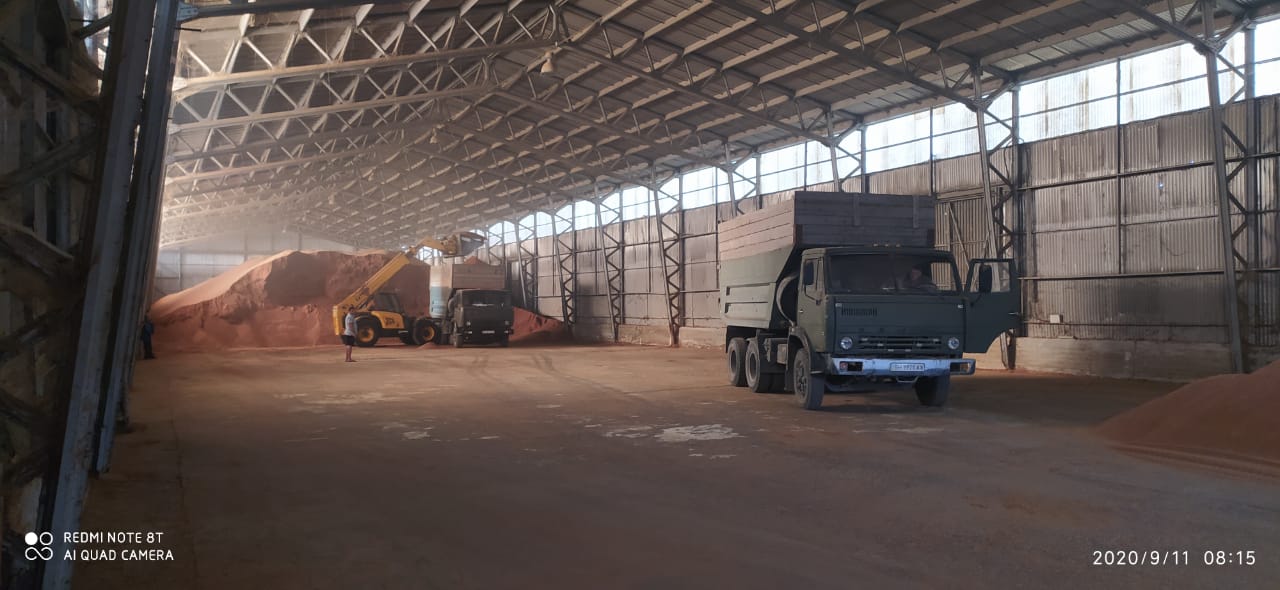
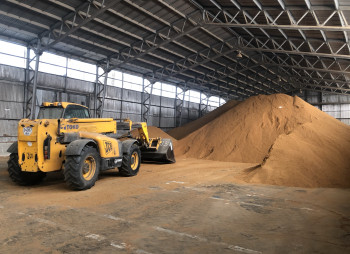
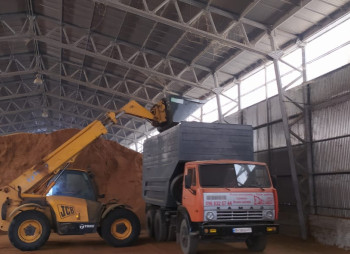
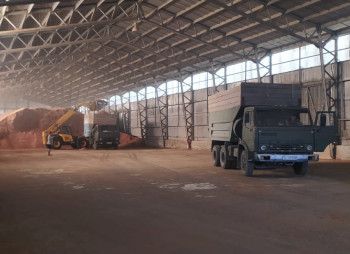
The asset includes a floor-storage warehouse with an area of 2,000 sq. m and a height of 12 m, with an estimated simultaneous storage capacity of around 4,500 tonnes of wheat. The facility is located within the second cargo area of Reni Commercial Sea Port and is privately owned by the company.
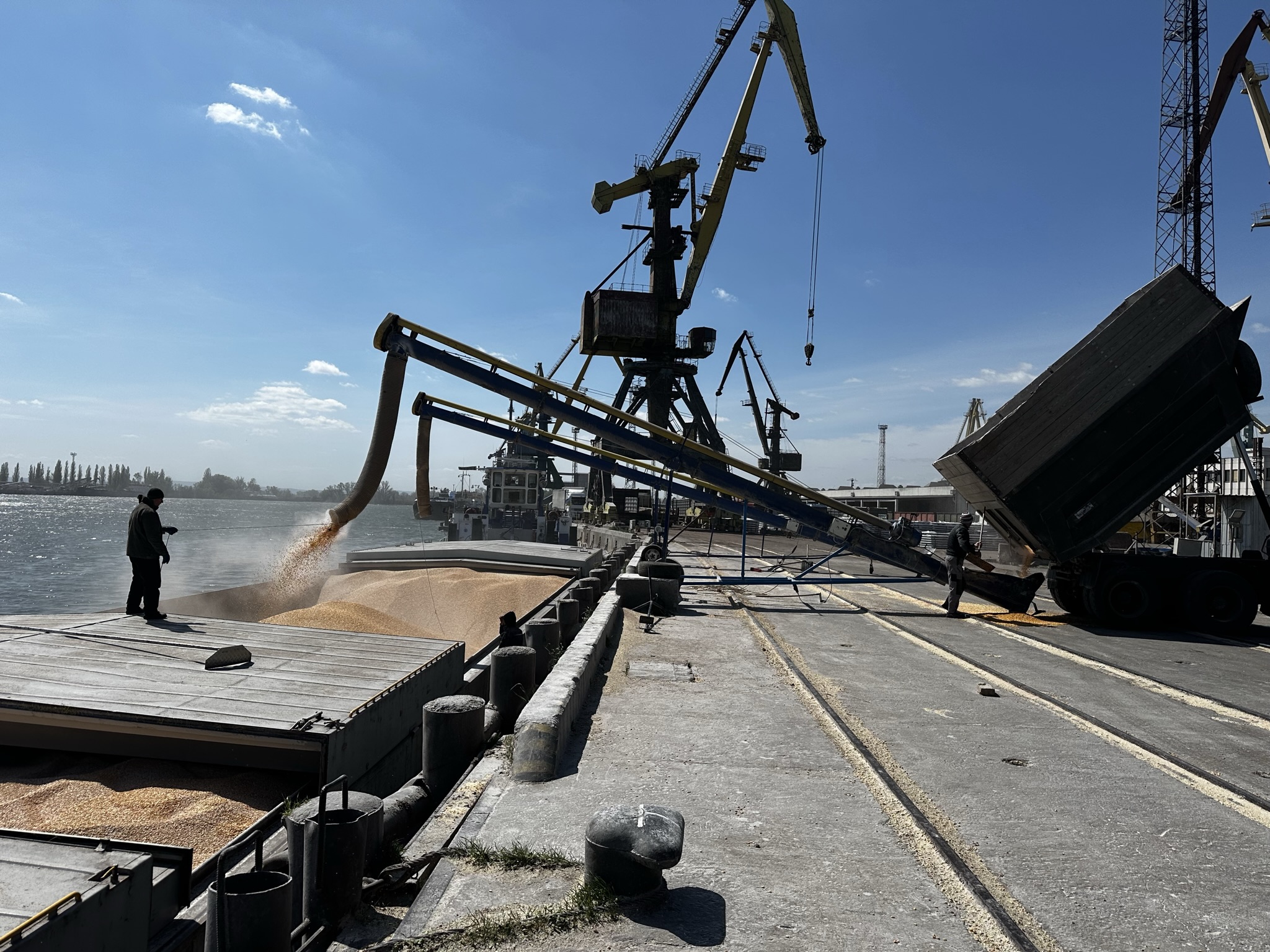
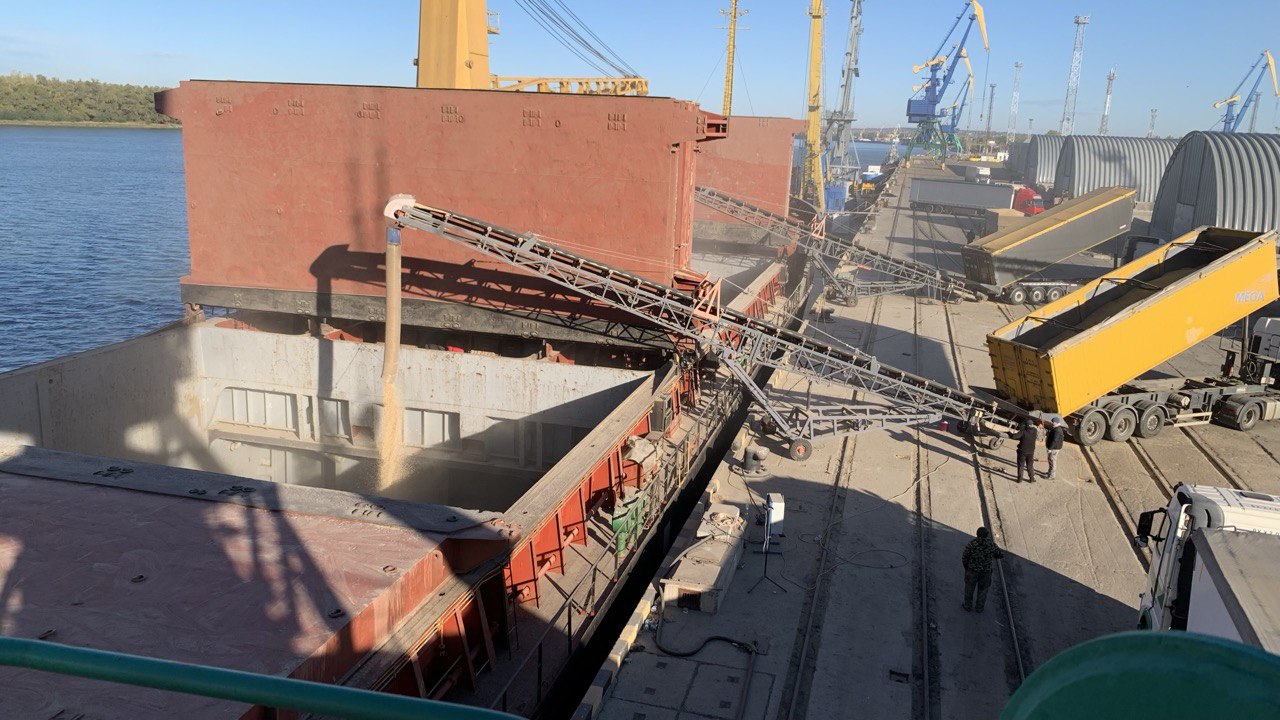
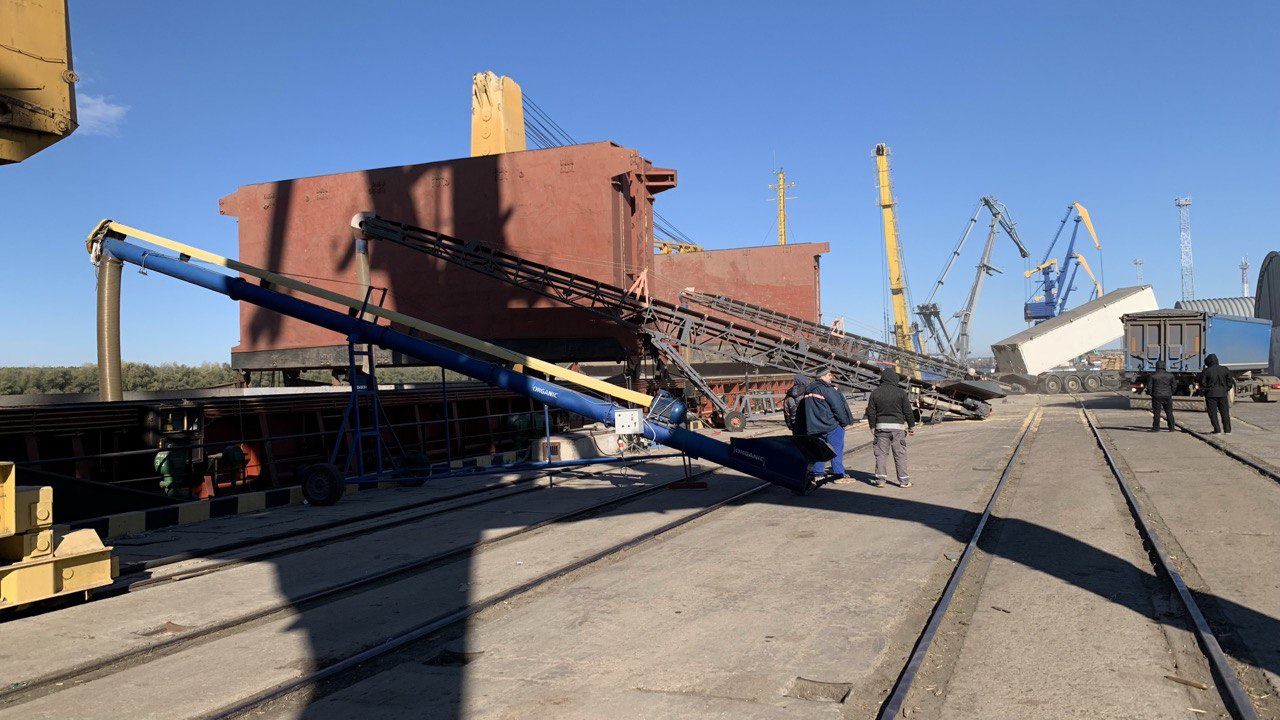
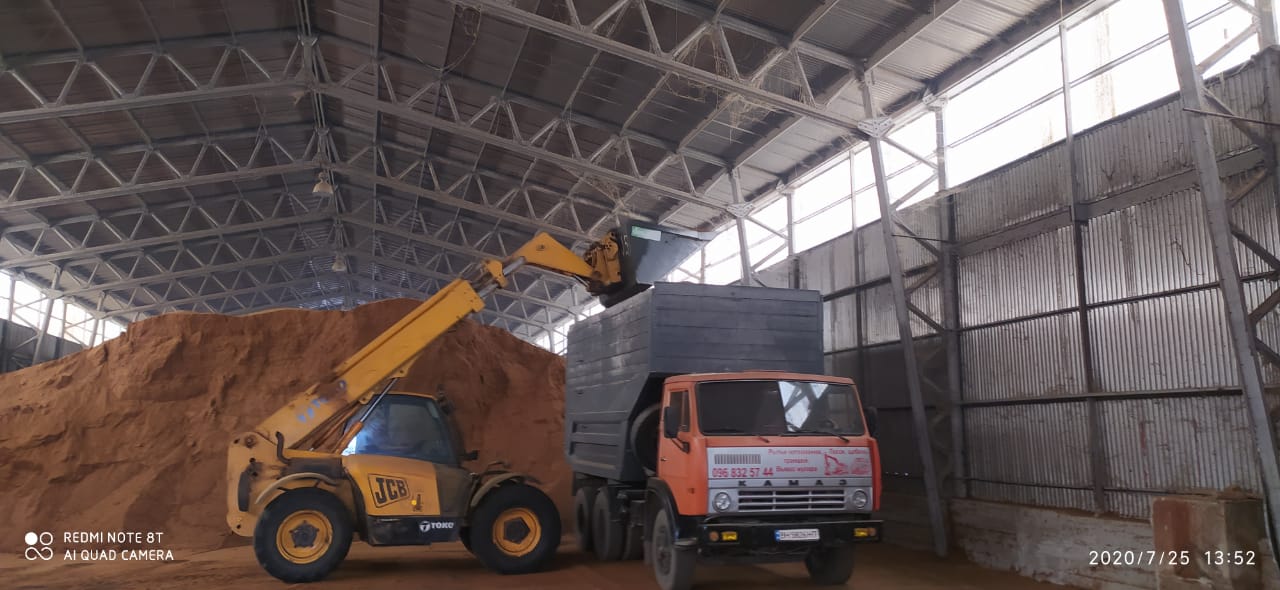
The warehouse supports cargo intake by dump trucks with full body lifting, as well as through grain throwers and conveyors. The facility is equipped with three-section lighting, connection points for grain throwers and conveyors, and an external video surveillance system with remote access. The distance to the berths is approximately 500 m.
The technical equipment of the complex includes:
- 7 screw conveyors, 7–15 m in length, discharge point of 3–4 m, discharge height of 4 m, capacity of up to 70 t/h;
- 2 belt conveyors, 25 m in length, discharge point of 6–7 m, discharge height of 6 m, capacity of up to 120 t/h;
- 2 ZM-100 grain throwers, capacity of up to 100 t/h, stacking height of up to 8 m;
- 2 JCB 535 telescopic loaders with a lifting capacity of 3.5 tonnes, boom reach of 13.5 m and 12.5 m, equipped with grain buckets with a volume of 2 cubic metres.
The enterprise has its own 80 t / 22 m truck scales and an equipped weighing station — a furnished mobile cabin with a weighing terminal, computer and air conditioning, equipped with a fire safety post. In addition, another new set of similar scales is stored on the territory and can be commissioned as part of the investment project.
Cargo unloading into the warehouse can be carried out in several ways: by dump truck followed by pile formation using a loader, or through grain throwers or screw conveyors. Cargo is unloaded from the warehouse using telescopic loaders, followed by loading onto trucks, transportation to the berth and feeding to ship loaders for delivery of the cargo into the vessel’s hold.
A railway track runs along the warehouse and the leased land plot, making it possible to organize a railcar unloading front and expand the company’s logistics capabilities.
Two mobile inverter generators with a capacity of 2 kW are available to provide backup power for the weighing station and computer equipment during short-term power outages.
There are two 20-foot containers on the territory: one is used as a locksmith workshop, and the other as a storage facility for fuel, lubricants and consumables. A separate staff facility is provided — a mobile electrified unit with air conditioning, equipped for changing clothes and meals.
The existing terminal reconstruction project provides for the installation of a silo park with a capacity of around 11,000 tonnes and the organization of an automated railcar unloading front into the warehouse, creating potential for further improvement of operational efficiency and scaling of transshipment volumes.
Commercial Offer
Subject of sale: corporate rights
Sale price: negotiable; final terms to be discussed during negotiations.
Additional information is available upon request.
