In 2025, investment in Ukraine’s grain elevator infrastructure significantly changed in structure: instead of large-scale construction of new storage facilities, agricultural companies focused on modernization, energy efficiency, and phased expansion of existing capacities.
According to market participants, around 80% of investment projects in 2025 were aimed at upgrading and expanding existing elevators, while only 20% involved the construction of new grain storage facilities. This investment structure reflects a cautious approach to capital spending under wartime economic conditions.
Experts note that the market is currently in a phase of resource optimization: investors are implementing smaller, phased projects that quickly improve operational efficiency and help manage grain logistics and cash flows.
Examples of investment projects implemented in 2025 include:
- Zhytomyr region — at one of the grain elevators, the second phase of the complex was installed with two silos of 2,141 m³ and 3,628 m³, as well as hopper silos for rapid grain shipment and an automated Brice-Baker grain dryer.
- The “Moya Nadiya” farming enterprise in Zhytomyr region built the fourth phase of its elevator with a silo of 6,722 m³, increasing the total storage capacity of the complex to 30,000 tonnes.
- Tekom Agro Group in Odesa region expanded the capacity of the “Chornomorets” elevator by 5,000 tonnes, constructing a frameless arched hangar of 2,400 m².
- VITAGRO Group in Khmelnytskyi region invested in the installation of two silos with a total capacity of 11,000 tonnes, and also prepared a site for temporary grain storage in grain bags with a capacity of 15,000 tonnes.
Some investments were also directed toward the construction of new facilities. In particular:
- In Volyn region, a new grain complex with a total capacity of 8,500 tonnes was launched, with plans to install additional silos in the future.
- In Khmelnytskyi region, a project is underway to build an elevator with 40,000 tonnes of simultaneous storage capacity.
- In Cherkasy region, the company Agroplus 2006 launched the first phase of a grain elevator with 5,000 tonnes capacity, with a planned total capacity of 15,000 tonnes.
One of the largest completed projects was the launch of the “Viking-Pivden” elevator by the Zolotyi Vrozhai company in Odesa region, with 105,000 tonnes of simultaneous storage capacity. The facility is equipped with 14 PRADO silos, AGI transport equipment, and a Bühler grain cleaning system.
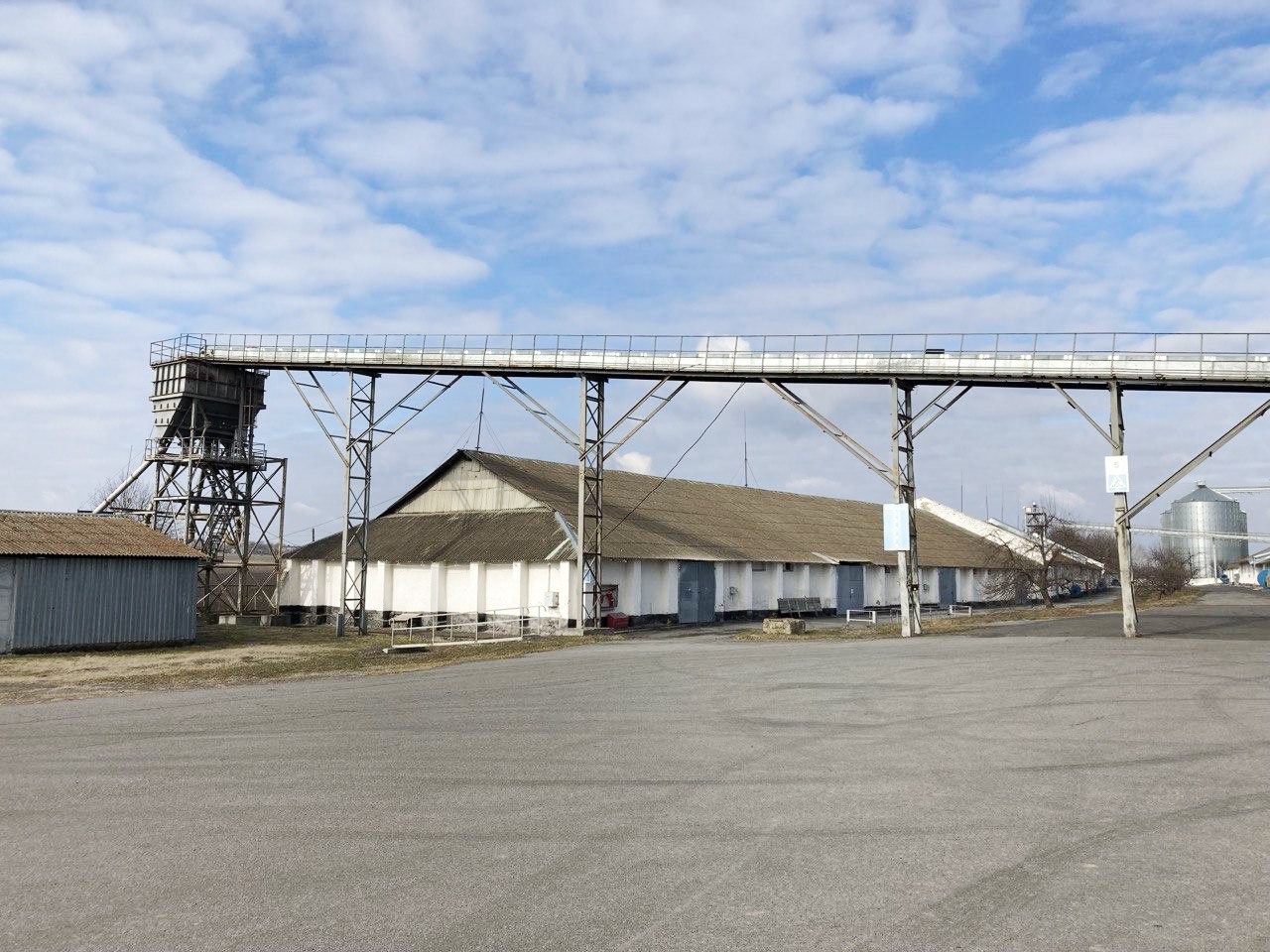
Sale of a linear grain elevator with a capacity of 30,000 tonnes in Vinnytsia region.
At the same time, large agricultural companies directed investments primarily not toward expanding storage capacity but toward modernizing technological units, automation, and energy efficiency. For example, several elevators of the Agroprosperis Group installed solar power plants with battery energy storage systems (BESS) and backup generators, reducing dependence on external electricity supply. The Agrodar-Bar grain storage facility now covers around 50% of its electricity demand through solar panels.
International assistance also became an additional source of investment support for farmers. In 2025, the Food and Agriculture Organization (FAO) provided 615 modular grain storage units to small and medium-sized agricultural producers in frontline regions.
Experts expect that investment in grain elevator infrastructure in 2026 will remain largely decentralized and phased, focusing on energy independence, automation, and the construction of smaller regional elevators located close to production sites. Large-scale construction of major export grain hubs is not expected in the near term.