Ukraine has determined the winner of the tender to develop one of its largest state-owned lithium deposits. The right to mine the deposit was awarded to a consortium of investors that includes U.S. billionaire Ronald Lauder (Ronald S. Lauder), a longtime friend of U.S. President Donald Trump, as well as the investment company TechMet. This was reported by The New York Times, citing sources in a Ukrainian government commission.
The decision was made by a special government commission and, according to its members, is effectively final, although it still requires formal approval by Ukraine’s Cabinet of Ministers. According to the newspaper’s sources, the consortium outperformed its competitors across most tender criteria, and allegations of preferential treatment were dismissed.
The winning consortium has close ties to the current U.S. administration. In addition to Ronald Lauder, who has known Donald Trump since their college years, it includes TechMet — in which Lauder holds a stake and which was formed during Trump’s first administration. One of TechMet’s key shareholders is the U.S. government’s Development Finance Corporation (DFC), which partly makes the Dobra project significant for U.S.–Ukraine economic cooperation.
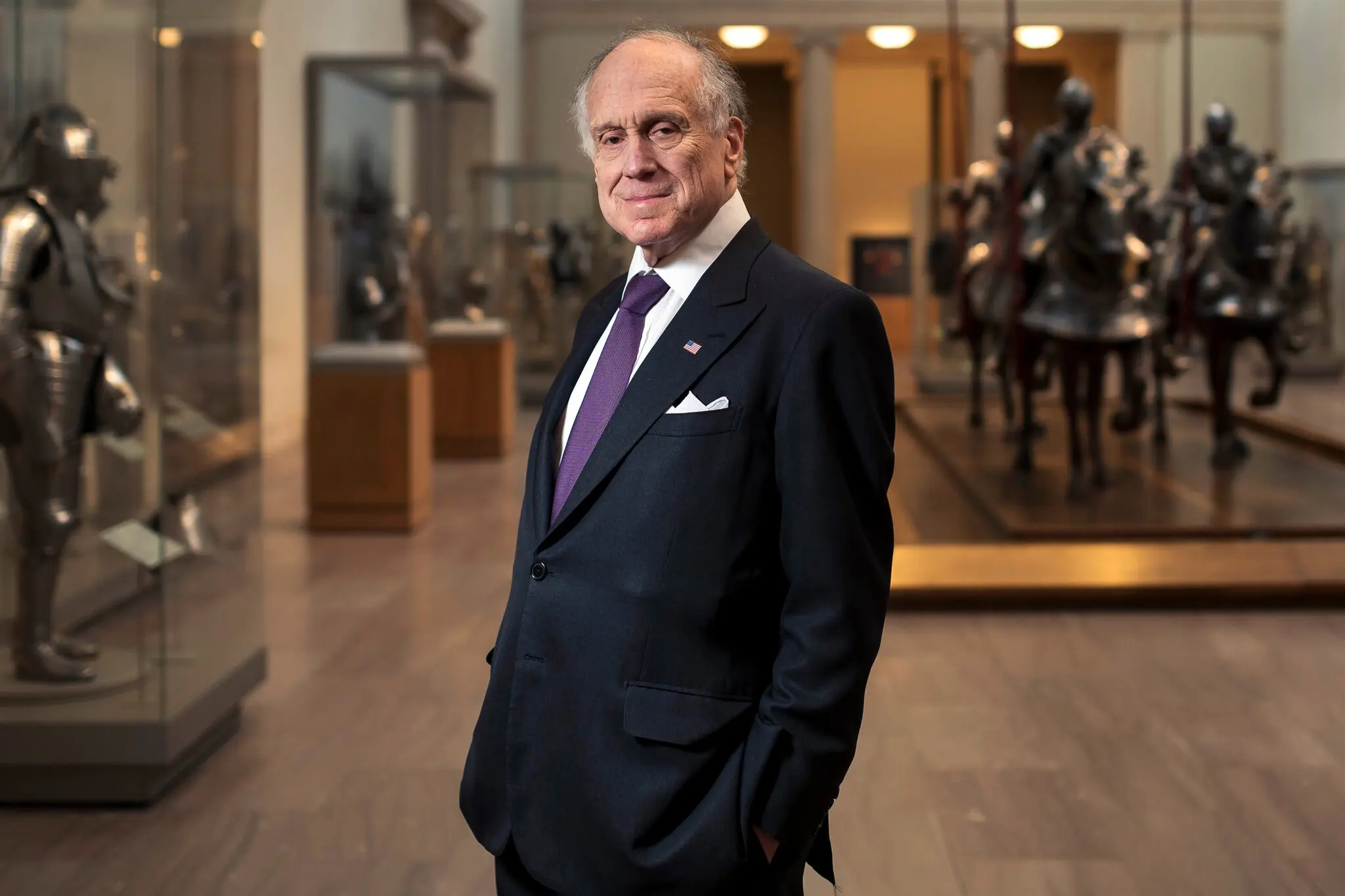
Ronald Steven Lauder (Ronald S. Lauder) is an American businessman, billionaire, art collector, and political figure. He is an heir to the founders of Estée Lauder and has long been active in business, real estate, and media. Lauder is also known as the president of the World Jewish Congress and previously served as a U.S. дипломатичний representative to Austria in the 1980s.
The project concerns the Dobra lithium deposit located in central Ukraine — one of the country’s largest lithium reserves. Lithium is a key raw material for batteries, electric vehicles, and energy storage systems, making the asset strategically important for both Ukraine and the United States.
The project will be implemented under a production-sharing agreement (PSA): investors will finance geological exploration and infrastructure, while the extracted minerals will be shared with the state. The minimum investment volume set by the tender was $179 million; however, according to a member of the commission, the consortium’s actual commitments are significantly higher.
The deal fits into a broader context of a new model of cooperation between Kyiv and Washington. Following Donald Trump’s return to power, relations between the two countries have taken on a more pragmatic, “transactional” character: the United States has reduced military assistance while placing greater emphasis on investment opportunities, particularly in mineral extraction and the defense industry.
Last spring, Ukraine and the United States signed a framework agreement on cooperation in the field of subsoil use, providing for the creation of a joint investment fund to finance future natural resource projects. Under the agreement, half of the Ukrainian government’s revenues from the Dobra deposit will be directed to this fund. In addition, companies seeking additional financing to develop deposits must first present their projects to the fund — a mechanism that effectively favors U.S. capital.
Against this backdrop, the Ukrainian authorities are signaling readiness for deeper business cooperation with the United States in other sectors as well. In particular, Patrick Fragman, former CEO of Westinghouse, was recently appointed to the supervisory board of Ukraine’s state nuclear energy operator Energoatom — a move also seen as a signal to the U.S. administration.
Despite the strategic importance of the deal, actual lithium production remains a long-term prospect. Investors will still need to carry out full-scale geological surveys, confirm commercial reserves, and finance the construction of production infrastructure. According to industry experts, the path from discovery to the start of extraction typically takes up to 15 years — extending well beyond the current U.S. presidential term.
For Ukraine, the project is seen as a pilot and at the same time a politically significant example of the country’s ability to attract large Western capital into strategic sectors even amid war and elevated risks.