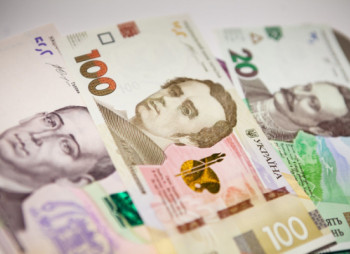
Ukraine Government Bonds – or internal government bonds – are debt securities issued by the Ministry of Finance of Ukraine exclusively on the domestic market. By purchasing an OVDP, an investor essentially lends money to the Ukrainian government, which in return commits to pay back the principal on a specified maturity date, plus periodic interest (or a discounted price for zero-coupon bonds). In the context of 2026, OVDPs have emerged as one of the most attractive investment instruments for both individuals and institutions in Ukraine, thanks to their high yields, state guarantee, and tax advantages. But how do they work exactly, and do the potential returns justify the risks in the current economic climate? Below, we explore the key aspects of OVDPs in five sections: the mechanism of OVDPs, current market yields and data, the economic outlook for 2026, the pros and cons of investing in OVDPs, and practical considerations for investors.
How Ukraine Government Bonds Work and Why They Matter in 2026
OVDPs are domestic government bonds denominated in either Ukrainian hryvnia (UAH) or foreign currency (usually USD or EUR) and issued via regular auctions. They are a crucial tool for government borrowing: funds raised through OVDP auctions finance budgetary needs, especially vital during wartime when external financing is uncertain. For investors, OVDPs offer a fixed income return and are generally considered the safest investment in Ukraine because they are 100% backed by the state – the government guarantees to repay them at maturity. This implicit state guarantee greatly reduces credit risk compared to bank deposits or corporate bonds, since the only scenario in which an OVDP would default is a sovereign default, which Ukraine has historically avoided on domestic debt even in dire conditions.
How interest and repayment work: Most OVDPs pay interest (coupon) periodically, usually every 6 months, at a rate determined at auction (some short-term OVDP are zero-coupon sold at a discount). For example, if you buy a ₴1000 face value bond and the annual coupon is 15%, you’d receive ₴150 per year (often split into semiannual payments) and then ₴1000 principal at maturity. Some OVDP series are denominated in USD or EUR, paying interest in that currency and repaying the face value in that currency, which appeals to those seeking to hedge currency risk. In 2025–2026, the Ministry of Finance has also issued special “military bonds” (воєнні ОВДП) to support the army, but functionally these are the same as regular OVDP, just marketed to fund defense needs. All OVDPs are sold via auctions to primary dealers (banks) and can then be purchased by investors on the secondary market or via brokers/authorized banks and even digital apps. Notably, buying OVDP has been made very accessible: individuals can purchase them through online banking platforms or government apps like Diia, often with as little as ₴1000 (approximately $27) as a minimum investment. This ease of access and low entry threshold have broadened the base of Ukrainian investors in government bonds.
Why OVDPs are central in 2026: The year 2026 is expected to be challenging for Ukraine’s budget, as substantial debt repayments loom. The Finance Ministry’s plan for 2026 envisions raising roughly ₴420 billion via OVDP issuance. While this is slightly less than the amount of domestic debt coming due (about ₴524 billion in 2026), it underscores that domestic bonds will play a critical role in rolling over debt and funding the deficit alongside external aid. In fact, 2024 saw a record ₴638.4 billion raised through OVDP, and about ₴569 billion in 2025. By early 2026, the total outstanding war bonds held by investors (households and businesses) had grown over 42% year-on-year, reaching about ₴181.6 billion (up from ₴171.4 billion a year prior), indicating rising domestic investor participation. Given this context, OVDPs are not only an investment vehicle but also a patriotic contribution and a pillar of Ukraine’s financial stability during wartime.
Current Yields and Market Data for Ukraine Government Bonds
One of the main reasons investors are drawn to OVDPs in 2026 is the exceptionally high yield they offer in the local currency, significantly outpacing both inflation and bank deposit rates. Throughout 2025, the National Bank’s tight monetary policy (key policy rate at 15.5%) kept OVDP interest rates elevated. As of the beginning of 2026, hryvnia-denominated OVDPs yield around 16–18% annually (depending on maturity), while foreign-currency OVDPs (USD) yield around 3–4% in dollars. These rates have stabilized since mid-2025 and remained roughly unchanged in late 2025 through early 2026. The Ministry of Finance’s January 2026 auction schedule indicated the following benchmark yields for UAH bonds:
Table: Typical Yields on Hryvnia Ukraine Government Bonds by Term (as of Jan 2026)
| Term to Maturity | Annual Yield (UAH OVDP) |
|---|---|
| ~1 year (short-term) | 16.3% |
| 1.5 years (mid-term) | 17.1% |
| 2 years or slightly more | 17.5% |
| 3 years (long-term benchmark) | 17.8% |
Source: Ministry of Finance auction data, Q1 2026.
By comparison, USD-denominated OVDPs last auctioned in late 2025 carried ~4.0% annual yield, and EUR-denominated OVDPs around 3.25%. These foreign currency OVDP yields are lower than UAH yields, reflecting lower currency risk, but are still attractive relative to bank deposit rates on foreign currency (which average only ~1–3% in banks).
Bank deposit vs OVDP: Conventional bank deposits in early 2026 offer roughly 13–16% annual interest in UAH (which after the 19.5% tax on interest equates to ~10–12% net), and only about 1–3% in USD. Clearly, OVDPs yield substantially more: a one-year OVDP at ~16–17% provides about 5–7 percentage points higher return than an average post-tax bank deposit. Moreover, OVDP interest is not subject to personal income tax or military levy – it’s all tax-free income, so investors receive the full stated yield as “clean” profit. For example, an investor who buys an OVDP at 15% for ₴100,000 will earn ₴15,000 interest per year tax-free, whereas the same amount in a deposit at 15% would effectively yield only about ₴12,150 after taxes (18% PIT + 1.5% military tax on interest). This tax exemption is a major incentive that boosts the effective return of OVDPs relative to deposits.
Market demand and liquidity: Throughout 2025, demand for OVDPs was strong from banks, businesses, and individuals. Banks, flush with liquidity and limited lending opportunities during war, have been major buyers, often scooping up longer bonds (2–3 year) at ~17.5–17.8% to meet regulatory requirements and earn high risk-free returns. By the end of 2025, Ukrainian households and companies had also increased their holdings – the total OVDP portfolio of domestic non-bank investors grew by ~42% in 2025, reflecting surging public interest. Secondary market liquidity for OVDPs has improved, meaning investors can sell bonds before maturity if needed, although prices depend on interest rate conditions. In 2023–2024, some liquidity was provided via mobile apps and brokers that allow individuals to trade OVDPs easily. The bid-ask spreads can be modest for short maturities, but selling longer bonds before maturity might result in a price discount (and thus a reduced yield) if interest rates have risen since purchase.
It’s worth noting that OVDP yields are currently positive in real terms, meaning they outstrip inflation. This was not always the case in 2022, when high inflation made real yields negative; however, since spring 2023, real yields turned positive and reached unusually high levels (inflation-adjusted rates peaking around +14% in early 2024). As of early 2026, with inflation decelerating (more on that below), a 17% nominal yield might represent a real return on the order of 7–10%, an exceptionally strong return for a government bond. Such levels of real yield are uncommon globally and underscore the risk premium investors demand given wartime uncertainties, as well as the National Bank’s firm stance on keeping rates high to curb inflation.
Economic Outlook for 2026 and Impact on Ukraine Government Bonds
When evaluating whether to invest in OVDPs in 2026, one must consider the macroeconomic forecasts for Ukraine, since factors like inflation, currency stability, and peace prospects will directly affect the attractiveness and risk of these bonds.
Inflation: Ukraine’s inflation, which spiked in 2022 due to the war, has been on a downward trajectory. By the end of 2025, consumer inflation slowed to around 10% year-on-year, and forecasts indicate further easing in 2026. The National Bank of Ukraine (NBU) projects inflation will decrease to about 6.6% in 2026, approaching the NBU’s target of 5% by 2027. Independent analytical centers likewise expect inflation below 10% for 2026. If these predictions hold, the implication is that OVDP yields (16–18%) would comfortably outpace inflation, providing a solid real return. For investors, this is a green light: OVDPs can protect and grow purchasing power, unlike in some past years when high inflation eroded bond returns. Indeed, the NBU has explicitly noted that at current yields and inflation forecasts, instruments like hryvnia OVDPs and deposits “help safeguard savings from depreciation”.
Interest rates: The NBU’s policy rate stood at 15.5% through 2025 and into early 2026, one of the factors keeping OVDP yields high (as government bond rates tend to align with central bank rates and banks’ deposit certificate rates). The central bank has signaled that it will consider gradual rate cuts only when disinflation is firmly entrenched and financial conditions allow. Should inflation indeed drop to ~7% in 2026, there is a possibility of monetary easing in late 2026, which could eventually lower new OVDP yields. However, any rate cuts are expected to be cautious and contingent on the war’s progression. For now, the Ministry of Finance has been able to maintain stable OVDP rates – it kept primary auction yields unchanged since April 2025, indicating a desire to not raise them further and optimism that current rates are sufficient to attract investors. From an investor’s perspective, locking in current high yields sooner might be advantageous: if peace prospects improve or inflation falls faster, future OVDP issues could come at lower interest rates, meaning the present yields are relatively generous.
Currency and devaluation risk: A key consideration for 2026 is the stability of the hryvnia. Ukraine had a fixed exchange rate for much of 2022–2023, but eventually allowed more flexibility. In 2025, the official rate was unified and the hryvnia traded around ₴37–38 per US$1. Looking ahead, many analysts foresee moderate hryvnia depreciation in 2026 due to a still significant trade deficit and ongoing war expenditures. For instance, some forecasts put the exchange rate in late 2026 at roughly ₴44 per $1 (and around ₴55 per €1), implying a depreciation of about 15–20% over the year. If such devaluation occurs, it could eat into the gains of UAH-denominated investments for those who measure wealth in hard currency. This is where FX-denominated OVDPs shine: although their interest rate (≈4%) is much lower than UAH OVDPs, they provide a hedge by paying in dollars or euros. A dollar OVDP yielding 4% would still deliver a net gain if the hryvnia devalues less than about 12% annually (since 4% interest + 12% FX gain ≈ 16% in UAH terms). On the other hand, if one invests in a 1-year UAH OVDP at ~17% and the currency depreciates, say, 10%, the net effective return in dollar terms would be about 7%. The trade-off comes down to risk appetite: hryvnia OVDPs offer higher yield but carry FX risk, while USD/EUR OVDPs offer lower yield but preserve foreign currency value. In 2026, with expected gradual devaluation, many investors find a mix of both prudent – keeping the bulk in higher-yield UAH bonds for income and some portion in FX bonds as a hedge.
War and geopolitical factors: The biggest wildcard is the war. Investment outcomes could vary under different scenarios:
-
If the war continues through 2026 with no major escalation or resolution, we can expect the status quo to persist: the government will keep OVDP rates high to attract domestic funding, inflation will likely stay in high single digits, and the NBU will be cautious in lowering rates. Domestic demand for OVDPs should remain strong given few alternatives, and yields may slowly inch down only if inflation markedly improves. OVDPs would remain one of the best-performing low-risk assets under this scenario, as they did in 2023–2025 (for example, in the first 10 months of 2025, OVDPs yielded ~13% to households, versus ~5% if one held a basket of dollars and euros in cash).
-
If an inertial peace or ceasefire emerges (fighting stops but without massive immediate reconstruction investment), there could be a mixed impact: improved economic sentiment might gradually lower inflation and interest rates, but without large external inflows, Ukraine would still rely on domestic borrowing. In this case, hryvnia OVDP yields might slowly decline toward inflation levels, and the gap between UAH and USD bond yields could narrow. Investors would still benefit from current high coupons, but new OVDP issues might start coming at lower rates later in 2026 or 2027.
-
If a “Marshall Plan” scenario occurs – i.e. a sustained peace with significant foreign aid and investment – the economy could boom (GDP growth accelerating beyond the modest 1–2% base case to perhaps 5%+). Paradoxically, analysts note this scenario might bring a short-term inflation uptick (due to rapid recovery spending) to perhaps ~14%, but huge external funding would cover budget needs. In such a case, the government might reduce reliance on domestic debt. Yields on USD OVDP and FX deposits would drop sharply (as aid money stabilizes the currency and reduces risk), and while UAH OVDPs would remain attractive, the real stars in a post-war boom could be riskier assets like equities or real estate (which could see 25–30% growth). Still, even in a high-growth recovery, OVDPs would likely continue to offer a premium over inflation, just a smaller one, and remain a key part of a diversified portfolio for the safety portion.
In summary, the baseline outlook for 2026 is cautiously positive for OVDP investors: inflation is expected to moderate, keeping real yields high; the currency may weaken only gradually; and no drastic changes in monetary policy are likely until there’s clarity on the war’s end. The major risk to be mindful of is a potential debt restructuring of domestic bonds if the fiscal situation becomes untenable. There has been some discussion of “reprofiling” OVDP – essentially extending their maturities to ease budget pressure. The Ministry of Finance’s borrowing plan assumes full external aid; if Ukraine doesn’t receive all promised funds in time, extending some OVDP maturities could be considered to avoid default. However, officials have downplayed this risk for now, and any such move would be politically sensitive and technically challenging. Investors should monitor communications from the NBU and Ministry of Finance, but as of early 2026, the government has been meeting all obligations on OVDPs, and even during the intense period of 2022–2023, it did not default or forcibly restructure internal bonds. The commitment to domestic debt integrity remains strong, given its importance for funding and market confidence.
Advantages of Investing in Ukraine Government Bonds
OVDPs offer a unique combination of benefits in the Ukrainian market, especially in 2026. Here are the key advantages for investors considering OVDPs:
-
High Yield (Attractive Returns): As noted, hryvnia OVDPs provide 16–20% annual yields in recent auctions, significantly higher than bank deposits or many global bond markets. Even OVDPs in USD at ~4% outshine typical developed-market bond yields. These robust returns can help investors beat inflation and grow real wealth.
-
Tax-Free Income: Interest earnings from OVDPs are not subject to personal income tax or military levy in Ukraine. This is a huge advantage over deposits (which lose 19.5% of interest to taxes). It means 100% of the coupon goes into your pocket – effectively boosting net return by ~20% compared to a taxable instrument with the same nominal rate.
-
State Guarantee and Low Credit Risk: OVDPs are backed by the government. Unlike a bank, which can fail (deposits are only guaranteed up to ₴600,000 under wartime-expanded deposit insurance), the state can use all available resources, including NBU financing as a last resort, to honor OVDPs. In other words, the credit risk is the sovereignty of Ukraine – a risk considered low enough that many view OVDPs as “risk-free” in local terms. Even during the war, Ukraine has prioritized internal debt payments. This stability can be reassuring for both private and institutional investors.
-
Higher Reliability than Banks: Related to the above, by lending to the government you avoid concentrating risk in a single commercial bank. Banks face individual default risk and currently pay into the Deposit Guarantee Fund which covers deposits only up to a limit (unlimited during martial law, but that blanket guarantee is temporary). Large investors especially prefer OVDPs to circumvent the bank default risk for sums above the guarantee cap.
-
Liquidity and Flexibility: OVDPs can be sold on the secondary market before maturity if the investor needs cash, providing some liquidity. Secondary market volumes have grown, and prices for short-term bonds in particular are quite stable. Additionally, the range of maturities (from 3 months to 3+ years) allows investors to ladder their investments or choose tenor according to their needs (short-term parking of funds vs. locking in long-term rates).
-
Low Entry Threshold & Convenience: Buying OVDPs has become very convenient. Investors can start with small amounts (even ₴1,000), and purchase bonds online through banking apps or platforms. For example, PrivatBank, Monobank, and the government app Diia all enable individuals to invest in war bonds/OVDPs from their smartphone in a few clicks. This ease of access, combined with no fees in some cases, makes OVDPs an accessible instrument even for novice investors.
-
Portfolio Diversification: For larger investors (including institutions), local government bonds provide diversification within a portfolio. They have a different risk profile than equities or real estate, and tend to be counter-cyclical (in crises, government bonds are supported by central bank policy, whereas stocks might crash). Holding OVDPs can thus stabilize an investment portfolio’s returns during volatile times.
-
Supporting the National Economy: While not a pure financial metric, many private investors take pride that investing in OVDPs means directly supporting Ukraine’s resilience. The funds help finance the budget and military in wartime. This patriotic aspect, coupled with a fair financial return, makes OVDPs a compelling choice for those who want their money to "work for Ukraine."
Risks and Considerations for Ukraine Government Bonds Investors
Despite their many advantages, OVDPs are not without risks or downsides. Before investing, one should weigh the following risks and considerations:
-
Locked-in Funds (Liquidity Risk): When you buy an OVDP, your money is typically tied up for the bond’s term, which can range from a few months to a few years. Early exit is possible only by selling on the secondary market, which might be at a discount. If you unexpectedly need cash, you might have to sell your bond for less than its face value, reducing your profit or even incurring a loss on that sale. Thus, you should invest only funds you can afford to leave invested until maturity or accept market price risk upon sale.
-
Interest Rate Risk: Bond prices are inversely related to interest rates. If market interest rates rise further (for instance, if inflation surges or the NBU hikes rates), new OVDPs might be issued at higher yields. In that case, the market value of existing lower-coupon bonds would fall. While you will still get the promised interest and principal if held to maturity, a rise in rates could mean a mark-to-market loss if you needed to sell beforehand. Conversely, if rates fall, existing bonds gain value – but current yields already price in high rates, so the bigger risk is if inflation surprises on the upside.
-
Inflation and Real Return Uncertainty: OVDPs do not always fully beat inflation, especially if inflation turns out higher than expected. Although 2026 forecasts look favorable, unexpected shocks (commodity price spikes, etc.) could push inflation above bond yields, eroding real returns. Investors should keep an eye on real interest rates. If at any point OVDP yields dip below inflation, their attractiveness would diminish. As of now, this scenario seems unlikely for 2026, but it’s a factor to monitor in an economy at war.
-
Currency Risk for UAH OVDP: As discussed, hryvnia depreciation can reduce or wipe out the advantage of high UAH yields when measured in hard currency. If an investor’s end goal is preservation of dollar/euro value, a significant drop in the hryvnia’s value would eat into the hryvnia bond interest gains. For example, a 15% devaluation in a year would take a 17% UAH yield down to ~2% in USD terms. This risk is mitigated by choosing FX-denominated OVDPs or hedging, but it’s inherent in any local currency investment. On the flip side, if the hryvnia holds stable or only slightly weakens, UAH OVDPs will have been a very lucrative investment.
-
Reinvestment Risk: Many OVDPs are relatively short-term (the government currently issues a lot in the 1–3 year range). If you plan to maintain an OVDP portfolio over many years, you face reinvestment risk – the risk that when your bonds mature, you might only be able to reinvest the funds at lower yields. Given the expectation that yields could gradually decline with improving conditions, an investor enjoying 18% today might find, say, only 12% on offer in 2027. This is not a reason to avoid OVDPs now, but a consideration for long-term planning (i.e. take advantage of locking in some longer maturities now while rates are high).
-
Default or Restructuring Risk: Although, as noted, Ukraine has a strong record of honoring domestic debt, the extreme circumstances of war mean one cannot completely ignore sovereign risk. The government’s heavy reliance on external aid introduces some uncertainty – if those funds were delayed or insufficient, pressure could mount to reschedule domestic debt payments (a scenario termed “reprofiling”). This could mean extending maturities or altering interest, which would negatively affect investors. The likelihood is viewed as low for 2026, and any such move would likely be a last resort. Nonetheless, investors should be aware that OVDPs, while very safe, are not 100% risk-free. They carry the credit risk of the Ukrainian state – small, but not zero.
-
Opportunity Cost: Finally, consider what you might be foregoing. OVDPs are low-risk, income investments, which is excellent for capital preservation and steady returns. However, they will not give the explosive upside that equities or other riskier assets might if Ukraine’s economy enters a strong recovery. If peace deals or rapid growth occurs, assets like stocks, real estate, or even corporate bonds could potentially yield higher returns (albeit with much higher risk). Thus, while OVDPs are great for the stable portion of a portfolio, an investor seeking high growth might accept more risk elsewhere for a portion of their funds. The key is a balanced approach – don’t put all your money in any single instrument, even one as secure as government bonds.
In summary, OVDPs have some downsides (illiquidity, inflation/FX risks, and hypothetical restructuring risk), but for most investors in 2026 these are outweighed by the significant benefits. The instruments are designed to be safe and attractive – and indeed they have performed very well in the past year. As always, one should align the investment with their liquidity needs and risk tolerance: if you might need immediate cash or are extremely averse to currency risk, you may invest a smaller portion in OVDPs or use shorter maturities.
How to Invest in Ukraine Government Bonds and Final Thoughts
Practical steps to invest: Getting started with OVDPs is simpler than ever. Private investors can purchase OVDPs through a variety of channels: the easiest is often via your bank. Many Ukrainian banks (especially primary dealer banks) offer the service of buying OVDPs for clients. For example, monobank and PrivatBank have in-app options to invest in “War Bonds” (OVDP) with just a few clicks. Alternatively, one can open an account with a broker or investment firm that has access to the government bond market. The process usually involves verifying your identity, transferring funds in the required currency (UAH for hryvnia bonds, USD/EUR for FX bonds), and placing an order for the desired bond issue. Bonds can be bought either at primary auction (if you go through a broker who participates) or more commonly on the secondary market from someone who already owns them. The minimum purchase is typically the face value of one bond (often ₴1000 for UAH bonds, $1000 for USD bonds, etc., though some brokers allow partial purchases). Settlement is done electronically, and your bonds are held in custody (either at your bank or a licensed custodian) in your name. You will receive interest payments to your account as they are paid out (usually semiannually for OVDPs). At maturity, the principal is credited back to your account if you still hold the bond. It’s advisable to shop around for transaction fees – some platforms offer zero commissions for buying OVDPs as part of the push to encourage domestic borrowing, while others might charge a small fee.
Institutional investors (like funds, companies) usually have dedicated brokerage arrangements or participate in auctions directly. The secondary market for OVDPs is facilitated by the PFTS and other exchanges, but many trades are OTC via brokers. Yields are quite transparent – publications like MinFin or the Ministry of Finance website publish auction results and current yields regularly, so you can gauge what return you should aim for.
In terms of choosing specific OVDPs, investors should consider: the currency, maturity, and yield. Shorter bonds (maturing within a year) have the advantage of lower duration risk and faster return of principal (which might be preferable if one expects rates to drop and wants to reinvest soon, or conversely if one is uncertain about the future and wants the flexibility). Longer bonds (2–3 years) lock in high rates for longer but will fluctuate more in price. If you believe current yields are near their peak and likely to fall, locking in a 3-year OVDP at 17.5–18% could be a great move. If you think rates could rise further, you might stick to shorter tenors for now. Regarding currency, decide whether you want to take the higher UAH yield or prefer the FX safety – or do a mix (many advisors suggest a mix of hryvnia and FX OVDPs to balance return and currency risk). Keep an eye on the auction calendar (the Ministry of Finance posts auction schedules quarterly) – if you want a new issue, knowing the dates helps. Otherwise, secondary market purchase is fine for most purposes.
Final verdict – is it worth investing in OVDP in 2026? In a word, yes, for the majority of investors with available hryvnia savings, OVDPs present a very compelling opportunity in 2026. They combine high yields, reasonable risk, and socio-economic benefits in a way few other instruments do. An investor seeking a safe haven for cash in an uncertain time will find OVDPs hard to beat: they outperform inflation, are protected by the government, and even shield from taxes. That said, it’s prudent to invest as part of a diversified strategy – for example, one might allocate a portion of funds to OVDPs for stability, some to bank deposits or cash for liquidity, and some to riskier assets (like equities, real estate, or even corporate bonds and equities via ETFs) for growth. Diversification helps ensure that you are prepared for multiple outcomes.
For those strictly comparing deposits vs OVDPs vs currency holding: OVDPs come out on top in terms of yield and overall benefit in 2026, provided you are willing to accept the fixed term. Deposits offer flexibility and instant liquidity but lag far behind in return (and lose some interest to tax). Holding cash dollars or euros under the mattress (or in an account) might protect against a hryvnia drop, but yields nothing – you actually lose value in real terms due to global dollar/euro inflation of a few percent. In contrast, an OVDP can give you double-digit returns and reasonable liquidity (sellable if absolutely needed), plus if you choose USD OVDPs you get the currency protection too. Therefore, for Ukrainian residents not planning to spend their money abroad in the very short term, OVDPs are generally the most effective way to preserve and grow capital in 2026.
In conclusion, investing in OVDPs in 2026 appears to be highly worthwhile. The economic conditions – high but falling inflation, a stable banking system flush with liquidity, and strong government commitment to domestic borrowing – create a perfect window where these bonds shine. Both private and institutional investors have recognized this, as evidenced by the growing volumes of OVDP investments. As always, one should remain mindful of the risk factors discussed, but the risk/reward profile is clearly favorable. With informed planning (choosing appropriate maturities and currency mix) and alignment to your financial goals, OVDPs can be a cornerstone of your investment portfolio in 2026, offering security, steady income, and a chance to contribute to Ukraine’s financial fortitude during challenging times.
Ukraine’s domestic government bonds — should private investors and businesses invest? Investing in DGBs in 2026: current yields, risks, and forecasts. Ukraine’s domestic government bonds in 2026. Hryvnia-denominated DGBs in 2026: yields, inflation, and currency risks. Dollar-denominated DGBs in 2026: is it worth investing in foreign-currency government bonds? DGB yields before the war and during the war, 2021–2025. How DGB yields in Ukraine changed during the war. DGBs or bank deposits in 2026 — which is more выгодно for investors? Investment risks of DGBs for individuals. Investment risks of DGBs for companies and businesses. Is there a default risk on DGBs in 2026? Are investments in DGBs protected by the Ukrainian government? Taxes on DGBs for individuals in 2026. Tax advantages of DGBs compared with bank deposits. Comparison of DGBs with U.S. government bonds. Comparison of DGBs with bonds of Poland and Romania. DGB yields compared with European government bonds. DGBs as a capital preservation instrument in Ukraine. DGBs as an investment during wartime and a wartime economy. NBU forecasts for DGB yields in 2026.
Should you buy DGBs in 2026 — investor recommendations. How to build a DGB portfolio in 2026. Short-term vs. long-term DGBs: what to choose in 2026. Investing in Ukraine’s government bonds for beginners. DGBs as protection against inflation in 2026.