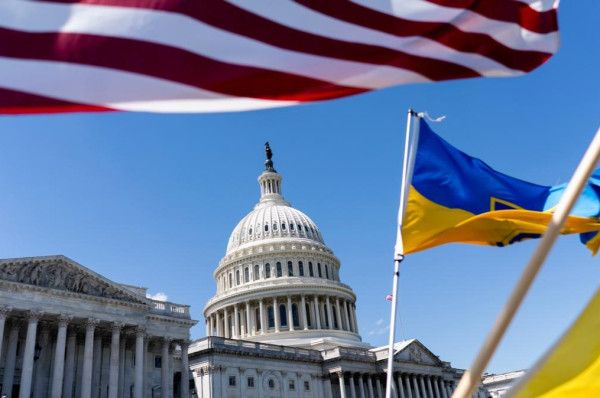

U.S. Senators Jeanne Shaheen (D–New Hampshire) and Lisa Murkowski (R–Alaska) have introduced a bipartisan legislative initiative aimed at bolstering support for Ukraine. The bill outlines a comprehensive aid package totaling $54.6 billion over the 2025–2027 period.
Under the proposal, $30 billion would be allocated for direct military assistance to Ukraine, while an additional $3 billion would be provided under the Foreign Military Financing (FMF) program. The bill also expands the scope of Presidential Drawdown Authority (PDA), allowing the transfer of U.S. weapons stockpiles to Ukraine without Congressional approval—up to $6 billion annually.
Other key allocations include:
- $600 million to support Ukrainian law enforcement and anti-corruption programs;
- $50 million for the investigation of war crimes;
- $1 billion for a joint Ukraine–Taiwan drone development initiative.
A portion of the funding is expected to be covered by proceeds derived from frozen or confiscated Russian assets in Western jurisdictions—through interest accrual, investment gains, or taxation. The bill also permits the use of proceeds from the sale or transfer of confiscated weapons from non-state actors for Ukraine-related assistance.
The legislation emphasizes priority procurement of U.S.-made arms by allied nations for eventual delivery to Ukraine. It codifies the U.S.–Ukraine "Mineral Agreement," establishing a Ukraine Recovery Fund, and reactivates a task force dedicated to locating assets held by Russian oligarchs—originally disbanded by the Trump administration in February 2025.
The bill complements the Graham–Blumenthal Sanctions Act, designed to impose severe economic pressure on Russia. It is positioned as a tool for President Trump to intensify leverage on President Putin while preventing potential reductions in aid to Ukraine.
The proposal also responds to recent moves by the Trump administration, including the suspension of intelligence-sharing in March 2025 and a freeze on Pentagon arms deliveries in July 2025. Additionally, the bill calls for the establishment of a working group to analyze lessons learned from the Ukraine conflict, with a focus on counter-drone warfare.
Senator Shaheen emphasized that the initiative strengthens U.S. defense industry capabilities and allows the U.S. to adopt battlefield innovations from Ukraine, signaling firm resistance to Kremlin aggression. Senator Murkowski highlighted the bill’s affirmation of U.S. support for Ukrainian sovereignty, its mechanism to hold Russia accountable via asset reallocation, and its broader impact on reinforcing defense partnerships—including with Taiwan.